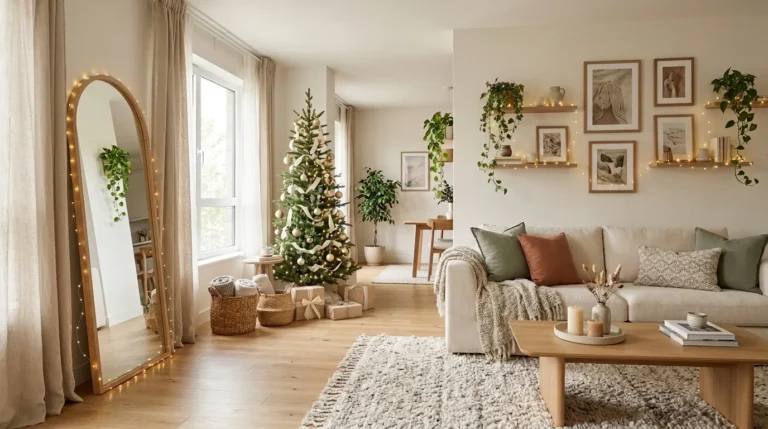
20 January Declutter Ideas That Make Your Home Feel New Again
A fresh year deserves a home that feels just as fresh. But after the holidays, clutter can quickly take over countertops, closets, kitchen drawers, and living spaces.
These 20 January Declutter Ideas will help you clear unwanted belongings, organize everyday essentials, and create a home that feels lighter, cleaner, and more welcoming. You don’t need an expensive makeover or an entire weekend to get started. Small, practical changes can make a noticeable difference in how your home looks and functions.
From refreshing pantry shelves and organizing bathroom cabinets to simplifying decorative accessories and creating daily reset baskets, these ideas cover the spaces that often need the most attention. In my experience, tackling one small area at a time makes decluttering feel much less overwhelming. Whether you’re starting with a single drawer or refreshing your entire home, you’ll find plenty of simple inspiration to help you build a more organized space and enjoy a fresh start to the year.
Clear Kitchen Countertops
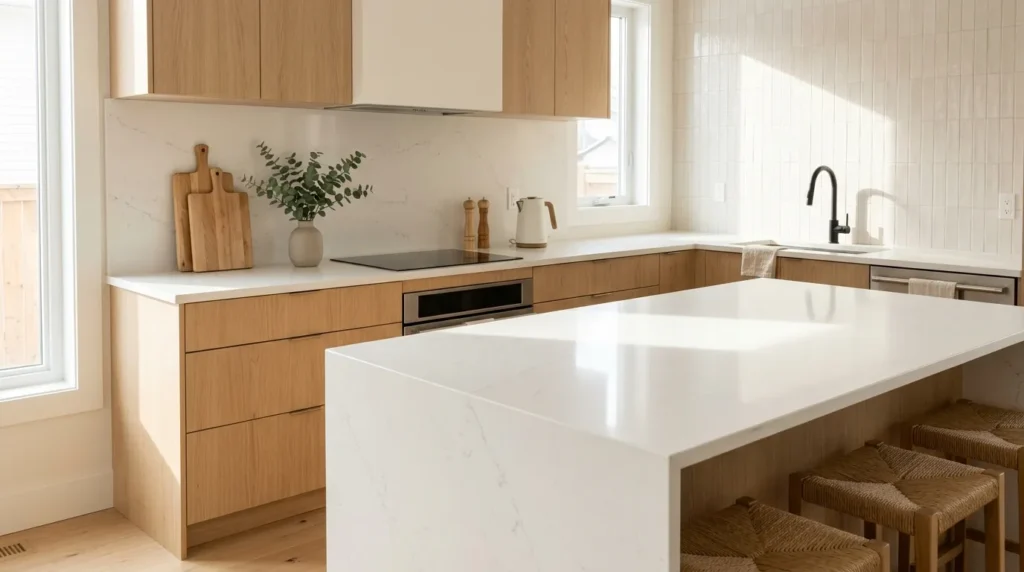
January is the ideal time to reclaim your kitchen counters from unnecessary clutter. Start by removing everything and sorting items into three groups: daily essentials, occasional-use items, and things that no longer belong in the kitchen. Keep only frequently used appliances and a few practical accessories within reach.
Store extra dishes, small appliances, loose papers, and rarely used gadgets inside cabinets. In my experience, keeping countertops mostly clear makes even a small kitchen feel noticeably larger, brighter, and easier to maintain throughout the year.
Organise Pantry Shelves
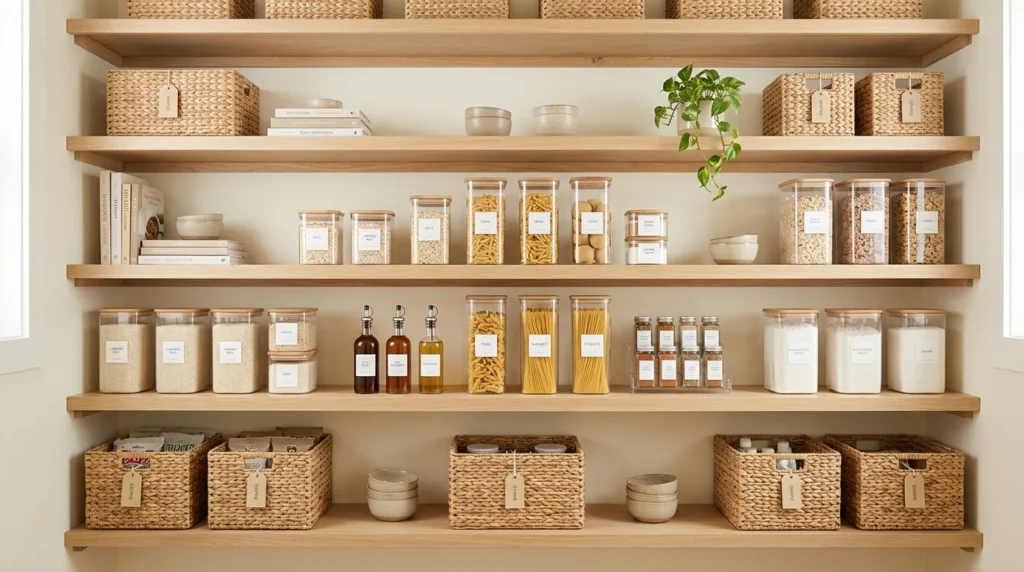
A cluttered pantry can make everyday cooking feel more stressful than it needs to be. Give your shelves a fresh start with these simple steps:
- Remove expired foods, empty packages, and ingredients you no longer use.
- Group similar items, such as breakfast foods, snacks, baking supplies, and canned goods.
- Transfer frequently used dry ingredients into clear airtight containers.
- Use labeled baskets to keep small packets and snack bags together.
- Place older products at the front so they get used first.
You don’t need expensive matching containers to achieve an organized pantry. Start with what you already own, then add a few affordable storage pieces if needed. Leave some empty shelf space so new groceries have a proper place instead of creating another pile.
Refresh Entryway Storage
Quick Tip:
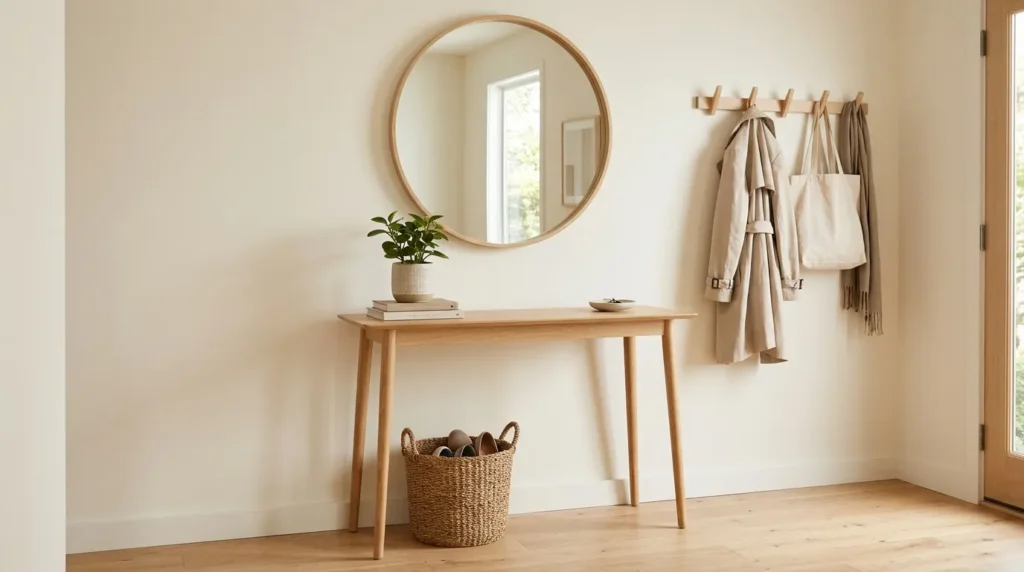
Make your entryway easier to maintain by giving every frequently used item a designated home. Keep a small tray for keys, a basket for everyday shoes, and a few sturdy hooks for coats and bags. Avoid filling the area with decorative objects that take up valuable space.
The entrance is where everyday clutter tends to collect first. Sort through old shoes, unused bags, misplaced accessories, and seasonal items before arranging the space. I’ve noticed that even a narrow entryway feels more welcoming when the floor stays clear and essentials are easy to grab.
Declutter Bedroom Closets

BEFORE
Closets often become crowded with clothes that no longer fit, outdated outfits, and pieces that haven’t been worn in years. Finding something to wear becomes frustrating when everything is squeezed together.
AFTER
A freshly organized closet has visible space between hangers, neatly folded clothing, and easy access to everyday outfits. Getting dressed feels simpler, and the bedroom looks less crowded.
Start with one clothing category at a time, such as sweaters, jeans, or jackets. Donate wearable pieces you no longer need, recycle unsuitable textiles where possible, and store seasonal clothing separately. Leave a little breathing room on each shelf so your closet stays manageable.
Sort Bathroom Cabinets
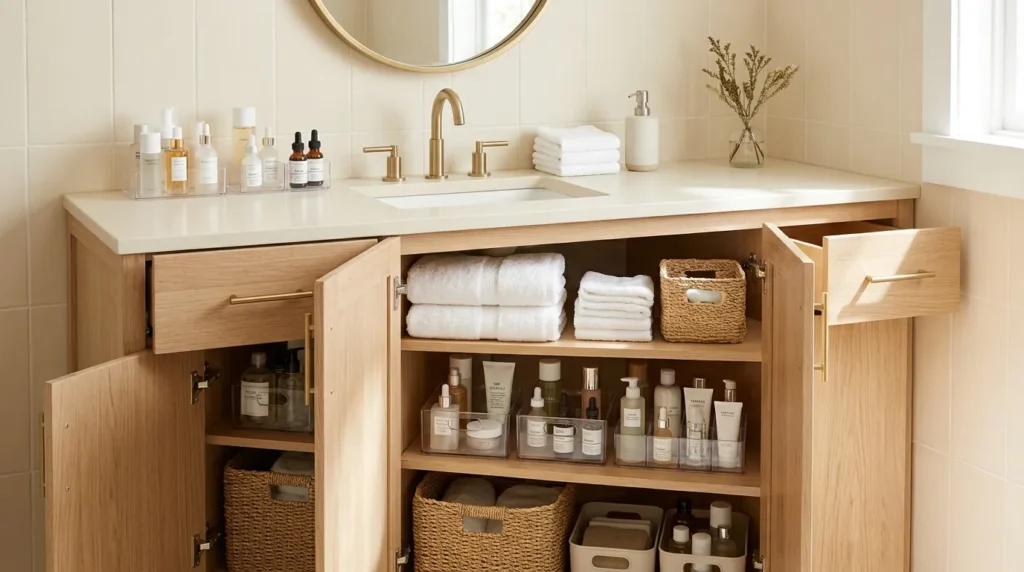
A crowded bathroom cabinet can hide useful products and make daily routines unnecessarily complicated. Follow these simple steps to create a cleaner storage system:
- Remove every product from the cabinet and place everything on a clean surface.
- Check expiration dates and discard expired skincare, makeup, and personal care products according to local disposal guidance.
- Group similar items, such as haircare, skincare, medicines, and toiletries.
- Place daily essentials in an easy-to-reach basket or organizer.
- Store backup products together and avoid buying replacements until existing supplies are running low.
Keep frequently used products at eye level and reserve higher shelves for occasional-use items. Small containers can prevent loose accessories from spreading across the cabinet. A simple arrangement makes morning and evening routines quicker without requiring an expensive bathroom makeover.
Create a Paper Sorting Station

| Old Way | Better Way |
| Unopened mail piled on counters | Sort incoming mail immediately |
| Important documents mixed together | Use labeled folders by category |
| Old receipts scattered in drawers | Keep only necessary records |
| Bills forgotten in random places | Create a dedicated action folder |
| Unneeded papers taking up space | Shred or recycle securely |
Paper clutter can quietly spread throughout your home, especially around kitchen counters, desks, and entryway tables. Set up one small sorting station with separate folders for bills, important documents, paperwork requiring action, and items ready for recycling. Review it weekly to prevent another growing pile.
Refresh Living Room Shelves

DO:
- Remove every item from the shelves before reorganizing.
- Keep favorite books, a few meaningful accessories, and small decorative pieces.
- Group similar objects together to create a balanced arrangement.
- Leave empty spaces between decorations for a cleaner appearance.
DON’T:
- Fill every shelf with unnecessary ornaments.
- Display books you no longer want to keep.
- Mix too many colors and decorative styles.
- Hide useful items behind piles of accessories.
Living room shelves often collect forgotten decorations, old magazines, and random household items. Keep only pieces that serve a purpose or add personality to your home. I’ve noticed that leaving some shelves partially empty creates a more relaxed appearance and makes regular dusting much easier.
Organise Under-Sink Storage
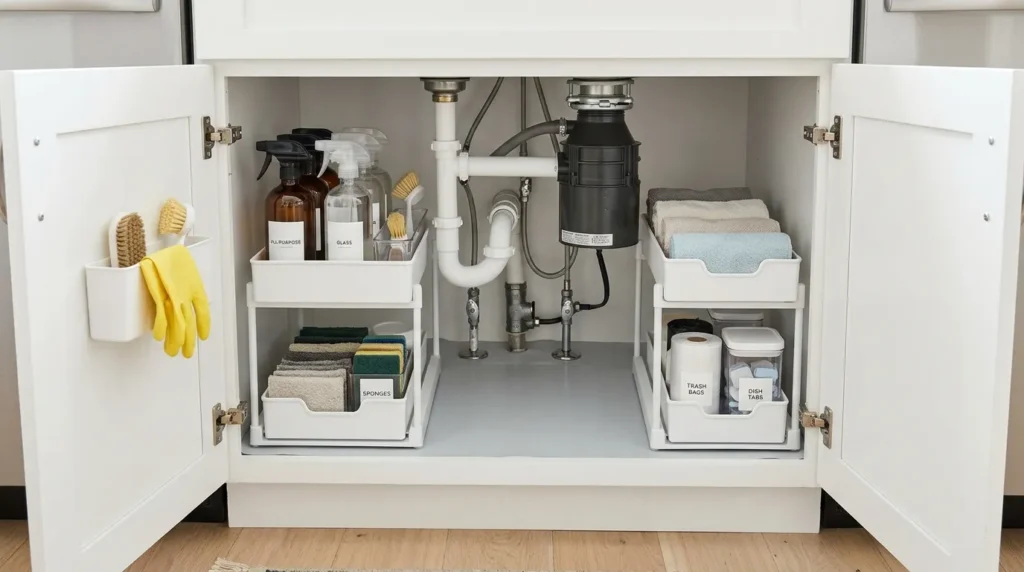
Cost: Low, especially when reusing existing baskets.
Time: 30 to 45 minutes.
Skill Level: Beginner-friendly.
Best For: Kitchen and bathroom cabinets.
Result: Easier access to cleaning supplies and fewer misplaced products.
The space beneath your sink can quickly become a dumping ground for half-used cleaners, extra sponges, and plastic bags. Empty the cabinet, check product condition, and group supplies by purpose. Use small bins to separate cleaning products, cloths, and backup items. Keep the area around plumbing accessible, store chemicals safely, and avoid placing incompatible cleaning products together.
Declutter Kitchen Drawers
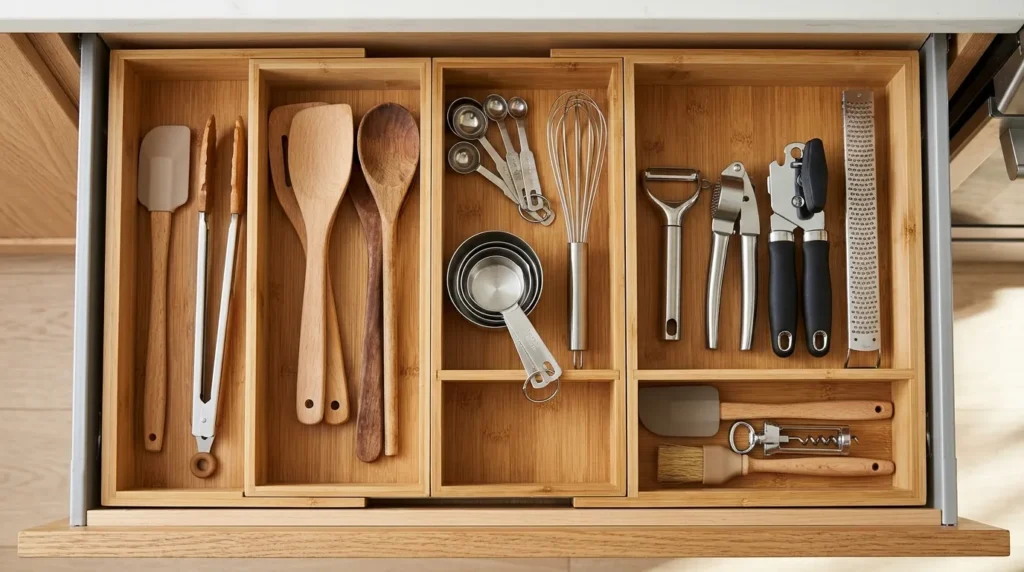
A single messy kitchen drawer can waste several minutes every time you cook. Start by emptying one drawer completely and separating useful utensils from duplicates, broken tools, and gadgets you rarely touch. Clean the drawer before adding adjustable dividers to give every item a specific place.
Keep everyday cooking tools near the stove and occasional-use accessories in a separate drawer. Avoid buying organizers before measuring the drawer’s interior dimensions. Among practical January Declutter Ideas, this small project is especially satisfying because the results are immediate and easy to maintain.
Simplify Laundry Supplies

A crowded laundry area can make an ordinary household chore feel even more overwhelming. Start by removing empty detergent bottles, unused cleaning products, worn-out clothespins, and anything that doesn’t belong in the space.
- Group laundry detergents, stain removers, and fabric care products together.
- Place frequently used supplies in an accessible basket.
- Use separate hampers for lights, darks, and delicate clothing.
- Store extra towels and cleaning cloths on designated shelves.
- Keep the floor clear for easier sweeping and mopping.
You don’t need a dedicated laundry room to create an organized setup. Even a small laundry corner can feel cleaner with a few labeled containers and a practical storage basket. Keep detergents away from children and pets, and store products according to their safety instructions.
Clear Refrigerator Clutter
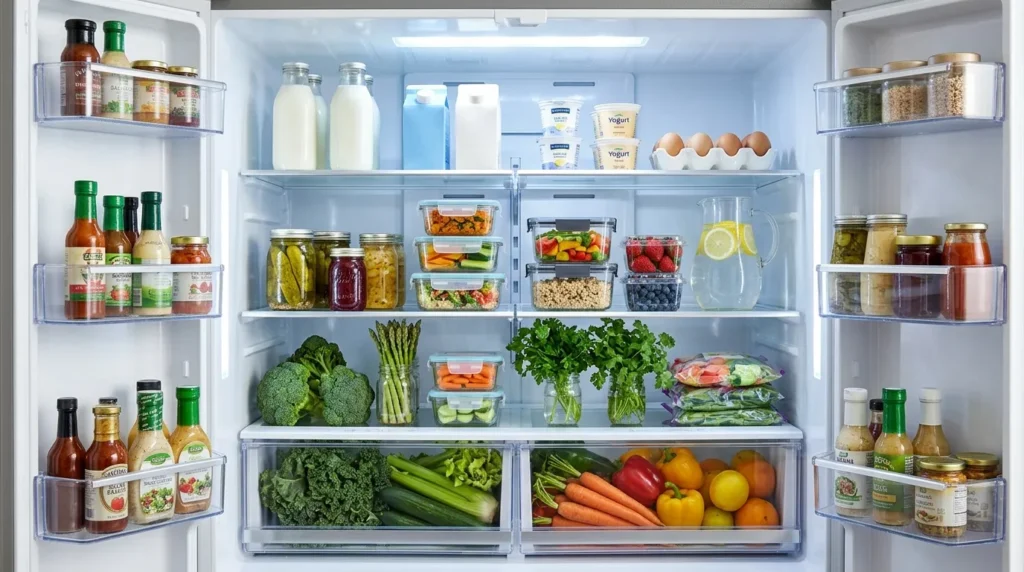
Quick Tip:
Before grocery shopping, check your refrigerator and move older ingredients toward the front. Keep raw meat sealed on the lowest shelf, separate ready-to-eat foods, and use clear containers to identify leftovers quickly.
A refrigerator refresh helps reduce forgotten ingredients and unnecessary food waste. Remove spoiled food, wipe shelves with a suitable food-safe cleaner, and check expiration dates before putting everything back. Create designated areas for breakfast items, fresh produce, leftovers, and frequently used condiments. Label leftovers with preparation dates and refrigerate them promptly to keep food storage safer and easier to manage.
Sort Kids’ Toys
BEFORE
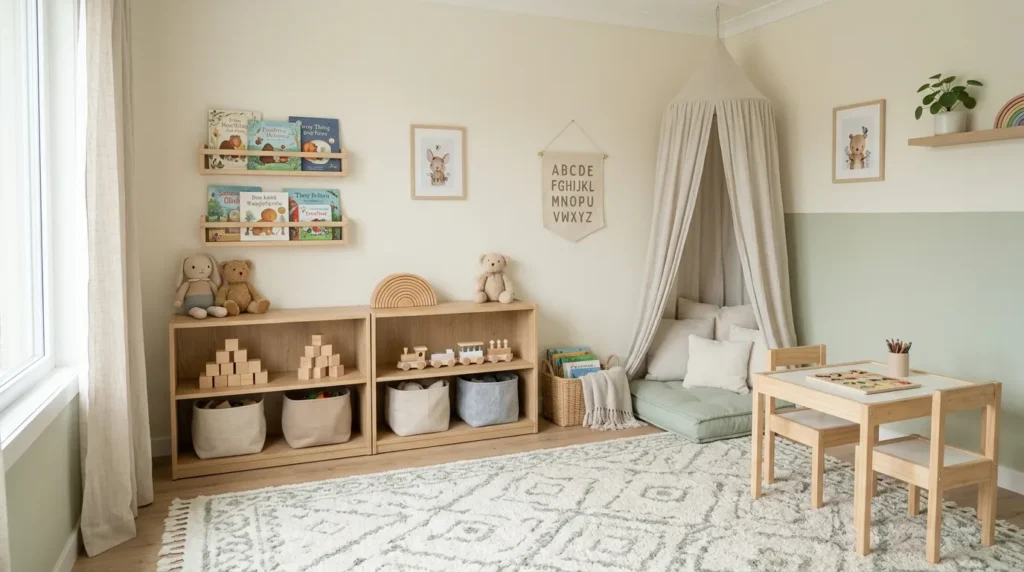
Toy collections can quickly overflow shelves, baskets, and playroom corners. Broken toys, forgotten games, and scattered building blocks make it difficult for children to find what they want or put things away.
AFTER
A simplified play area has fewer toys on display, clearly labeled baskets, and accessible shelves. Children can see their options more easily and learn where everything belongs.
Begin by sorting toys into four groups: keep, donate, repair, and discard. Check toys for broken parts, missing safety components, or damage before deciding what stays. Rotate some toys into storage rather than keeping everything accessible. A smaller selection often makes playtime more enjoyable and cleanup much easier for the whole family.
Our Facebook Page : Blossom Dream Decor
Organise Linen Closets
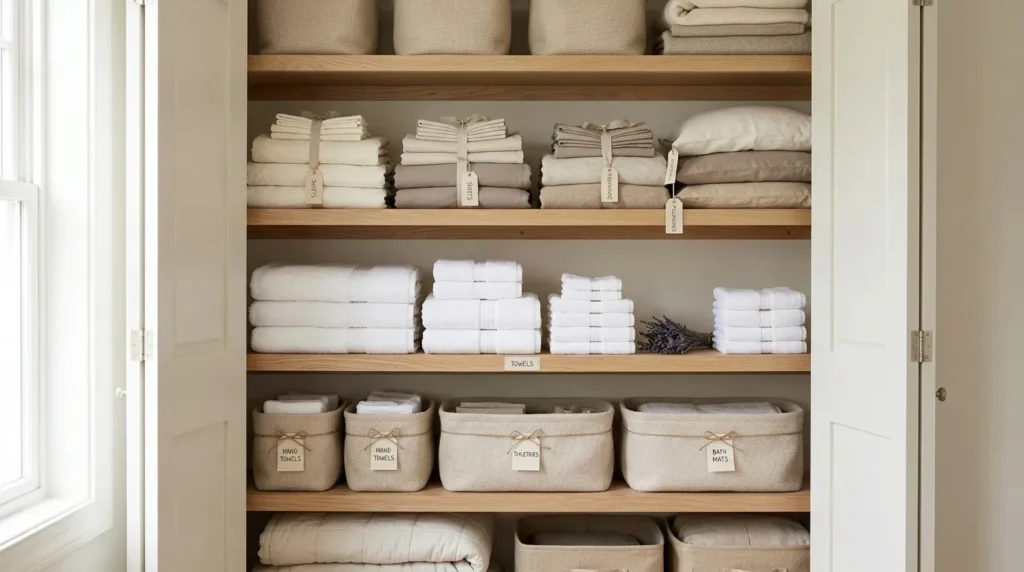
A crowded linen closet makes finding fresh bedding and towels harder than it should be. Follow these steps to create a practical storage system:
- Remove all towels, sheets, blankets, and pillowcases from the shelves.
- Separate damaged, stained, and worn-out linens from usable pieces.
- Match sheet sets and fold them together for easier access.
- Group towels by size and keep everyday sets on reachable shelves.
- Place seasonal bedding in labeled fabric storage bags.
Keep only the number of linen sets your household actually uses. Store guest bedding separately so it doesn’t get mixed with everyday essentials. In my experience, assigning each shelf a specific purpose makes it much easier to maintain order, even when several family members share the closet.
Clear Garage Floor Space

| Old Way | Better Way |
| Tools scattered across the floor | Hang tools on wall-mounted racks |
| Seasonal items mixed together | Group items in labeled containers |
| Sports equipment piled in corners | Use dedicated sports storage |
| Unused furniture taking up space | Donate or responsibly dispose of unwanted pieces |
| Heavy boxes stacked randomly | Store heavy items on stable lower shelves |
A garage becomes much easier to use when the floor is no longer covered with forgotten belongings. Start by sorting one section at a time rather than emptying the entire garage. Keep frequently used equipment accessible and place seasonal decorations in clearly labeled bins. Secure heavy storage properly and keep walkways, exits, and electrical panels unobstructed.
Simplify Decorative Accessories
DO:
- Keep decorative pieces that complement your home’s overall style.
- Display meaningful accessories instead of filling every surface.
- Group smaller objects into simple arrangements.
- Rotate seasonal decorations rather than storing everything on display.
DON’T:
- Keep damaged decorations just because you purchased them.
- Cover every tabletop with small accessories.
- Display several competing color schemes in one area.
- Buy new decor before sorting what you already own.
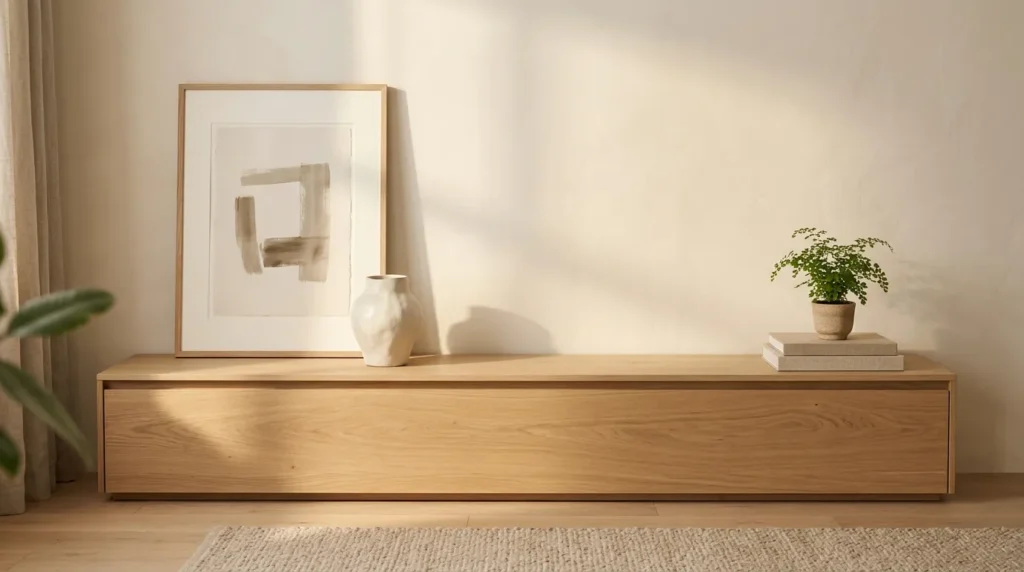
Decorative accessories should make your home feel personal, not crowded. Walk through each room and remove items that no longer suit your style or serve a purpose. Keep a few favorite pieces visible and store seasonal decorations together. A little empty space allows furniture, artwork, and beautiful textures to stand out naturally.
Declutter Home Office

Cost: Low, especially when reusing existing organizers.
Time: 30 to 60 minutes.
Skill Level: Beginner-friendly.
Best For: Remote workers, students, and busy households.
Result: A cleaner desk, fewer distractions, and easier access to work essentials.
A cluttered workspace can make even simple tasks feel overwhelming. Remove unnecessary papers, empty coffee cups, broken stationery, and outdated office supplies. Keep your laptop, notebook, and frequently used tools within reach. Store important documents in labeled folders and use one small tray for loose items. Finish by wiping the desk and managing visible cables for a cleaner working environment.
Our Instagram : Blossom Dream Decor
Refresh Your Nightstands

Nightstands often collect more clutter than we realize. A few small changes can make your bedside area feel much more peaceful.
- Remove old receipts, empty packaging, and unused accessories.
- Keep only your current reading book and everyday essentials.
- Move extra skincare products into a bathroom organizer.
- Use one small drawer divider for chargers and personal items.
- Place a small tray on top for items you use each night.
Your bedside table should support a relaxing nighttime routine rather than become another storage dumping ground. Leave enough open surface space for a lamp and a glass of water. I’ve noticed that keeping this area simple makes the entire bedroom feel more restful, especially when the rest of the room is tidy too.
Sort Seasonal Decorations

Quick Tip:
Store seasonal decorations by occasion rather than mixing everything together. Use separate labeled containers for winter decor, spring accessories, summer decorations, and holiday ornaments.
Start by removing broken ornaments, tangled lights, damaged wreaths, and decorations you no longer enjoy. Wrap fragile pieces carefully and place frequently used seasonal items where they are easy to reach. Label each container on the front and top so you can identify its contents without opening every box. Before buying new decorations, check what you already own to avoid unnecessary duplicates.
Create a Donation Basket
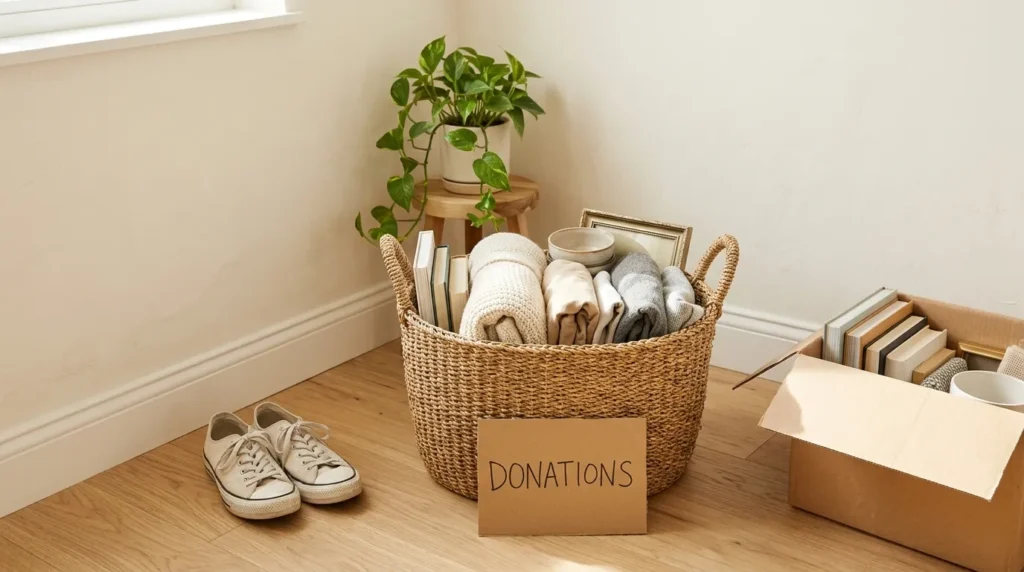
1. Choose a Spot: Place a medium-sized basket or sturdy box in a convenient closet, hallway, or laundry area.
2. Add Unwanted Items: Put in wearable clothing, books, kitchen accessories, and household items that are still in usable condition.
3. Check Everything: Make sure donated belongings are clean, complete, and suitable for someone else to use.
4. Schedule a Drop-Off: Once the basket is full, arrange a donation trip instead of letting it sit for months.
A dedicated donation basket makes regular decluttering much easier because unwanted belongings have somewhere to go immediately. Whenever you find something you no longer need, add it to the basket. Once it fills up, take it to a local charity or community organisation that accepts those items.
You May Like : 15 New Year’s Eve Party Decor Ideas on a Budget That Look Expensive
Set Up a Daily Reset Basket

| Old Way | Better Way |
| Small items scattered around rooms | Collect misplaced items in one basket |
| Blankets left across the sofa | Fold and store them after use |
| Remotes misplaced on furniture | Keep them in the basket |
| Toys and accessories left out | Return them to their proper storage |
| Clutter building up overnight | Spend a few minutes resetting daily |
A daily reset basket is a simple tool for keeping your home tidy after completing your January cleaning projects. Walk through your living areas and collect items that belong in other rooms. Return everything to its proper place before bedtime. This small habit helps prevent everyday mess from becoming another overwhelming decluttering project.
CONCLUSION
A clutter-free home doesn’t happen overnight, but every small step brings you closer to a space that feels peaceful, organised, and easier to enjoy. These January Declutter Ideas offer practical ways to refresh your rooms, simplify daily routines, and make better use of the space you already have.
Start with one area that needs attention, then gradually work through the rest of your home. I’ve seen how small organizing changes can make everyday living feel much easier. Save this article on Pinterest for inspiration, try your favorite ideas, and share it with someone who could use a fresh start at home!