
15 Make Inexpensive Furniture Look Expensive With Style
Your furniture doesn’t have to cost a fortune to look beautiful. Sometimes, the smallest details make the biggest difference.
Learning how to make inexpensive furniture look expensive can help you create a polished, welcoming home without stretching your decorating budget. From swapping basic cabinet handles and refreshing tired finishes to styling coffee tables with natural textures, simple changes can give affordable pieces a more custom appearance.
Maybe your dresser looks plain, your coffee table feels unfinished, or your secondhand furniture doesn’t quite match your style. You don’t need to replace everything. With thoughtful color choices, coordinated accessories, and a few easy upgrades, you can make the furniture you already own feel more intentional. These ideas are practical for beginners, renters, and anyone who loves beautiful interiors on a budget. Keep reading for stylish details you can adapt to your own home, one affordable improvement at a time.
Upgrade Cabinet Hardware
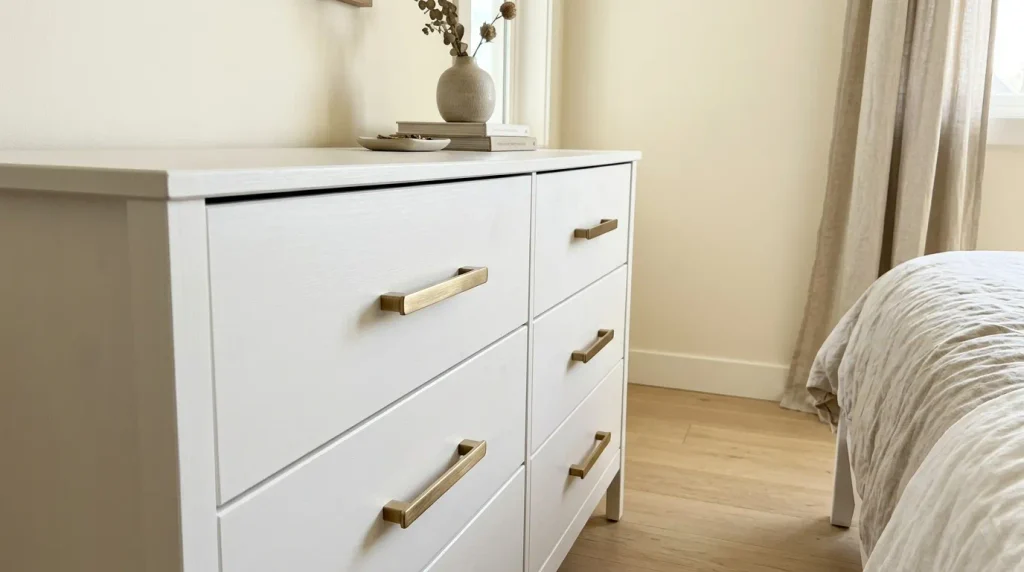
Inexpensive furniture can look surprisingly refined with one small change: better hardware. Replace basic plastic knobs or plain handles with brushed brass, matte black, or antique bronze options that suit your room’s style.
Measure the existing screw holes before shopping, and check the handle spacing to avoid unnecessary drilling. For a coordinated finish, repeat the same metal tone on nearby lamps, picture frames, or curtain rods.
The result feels intentional rather than mismatched. Even a simple dresser or bedside table can look more expensive when its smallest details feel thoughtfully chosen.
Apply Peel-and-Stick Wallpaper

- Choose a subtle pattern. Linen textures, delicate stripes, and understated stone effects often look more sophisticated than busy prints.
- Measure each surface. Cut the wallpaper carefully so the pattern aligns across drawer fronts or cabinet panels.
- Clean before applying. Remove dust and grease, then allow the surface to dry completely.
- Test a small section. Check adhesion and removability in an inconspicuous spot, especially on laminate or delicate finishes.
- Smooth out bubbles. Use a soft smoothing tool and work gradually from the center toward the edges.
Peel-and-stick wallpaper can give plain furniture a custom appearance without the cost of replacing it. Focus on one surface, such as drawer fronts, cabinet backs, or open shelving panels, to keep the design balanced. Choose a finish that complements the room’s existing colors, and follow the product instructions to protect the furniture underneath.
Style With Neutral Colours
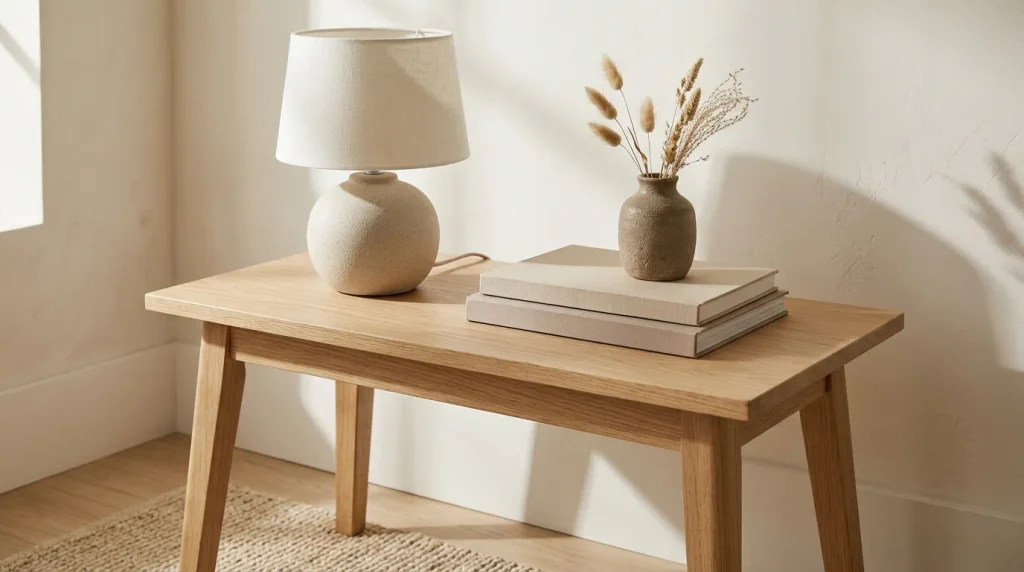
Quick Tip:
Choose two or three coordinating colors and repeat them across the furniture, accessories, and nearby textiles. Cream, warm beige, and natural wood work well together, while black or muted brass can add contrast. Keep large surfaces simple so the materials and shapes remain the focus.
A coordinated palette helps inexpensive pieces feel connected rather than randomly collected. For example, style a basic coffee table with a cream tray, neutral books, and a small textured vase. Repeat one of those tones in nearby cushions or curtains. The room will feel more considered without requiring expensive furniture or a complete makeover.
Add Elegant Furniture Legs

BEFORE:
A basic cabinet sits flat on the floor, making it look bulky and ordinary. Its simple shape blends into the room without adding much visual interest.
AFTER:
The same cabinet stands on slim tapered legs, creating a lighter silhouette and a more furniture-like finish. The open space beneath makes the room feel less crowded, while the added height gives the piece a custom appearance.
Choose legs that match the cabinet’s proportions and weight requirements. Natural wood creates a warm, timeless look, while matte black adds a modern edge. Check the manufacturer’s construction before attaching new legs, and use suitable mounting plates and hardware. If the furniture is heavy or tall, make sure the updated base remains stable and secure.
Refresh With Furniture Paint

- Prepare the surface. Clean away grease and dust, then lightly sand where appropriate to help the finish adhere.
- Use the right primer. Select a primer suitable for the furniture material and existing finish.
- Apply thin coats. Use a quality brush or small roller and follow the paint manufacturer’s drying instructions.
- Finish with care. Apply a compatible protective topcoat if the paint system calls for one, especially on frequently used surfaces.
A fresh coat of paint can make an inexpensive dresser, side table, or bookshelf feel tailored to your home. Muted sage, deep navy, warm white, and charcoal are versatile choices that can look polished with the right hardware. Test the color in your room’s lighting before painting the entire piece. Proper preparation matters more than rushing through the coats, so allow enough drying time for a durable, smooth finish.
Choose Refined Tabletop Styling
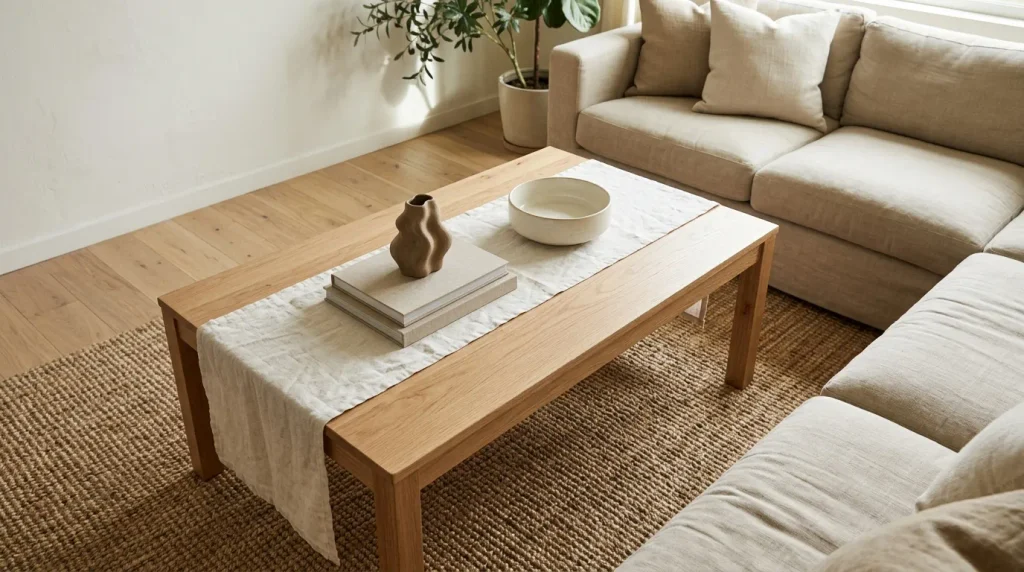
| Styling Choice | Simple Approach | More Refined Approach |
| Decorative objects | Many small accessories | Two or three purposeful pieces |
| Books | Mixed loose stacks | Neatly stacked books in coordinating tones |
| Tray | Bright plastic tray | Wood, stone-look, or matte metal tray |
| Arrangement | Items spread randomly | Grouped objects with open space around them |
A thoughtfully styled surface can make an affordable table look far more intentional. Start with a tray to gather smaller objects, then add one or two pieces with different heights and textures. Leave part of the tabletop empty so the arrangement feels balanced rather than crowded. Choose accessories that suit the room’s palette, and keep everyday essentials nearby but neatly contained. A simple arrangement often looks more polished than a costly collection of decorative items.
Replace Heavy Curtains
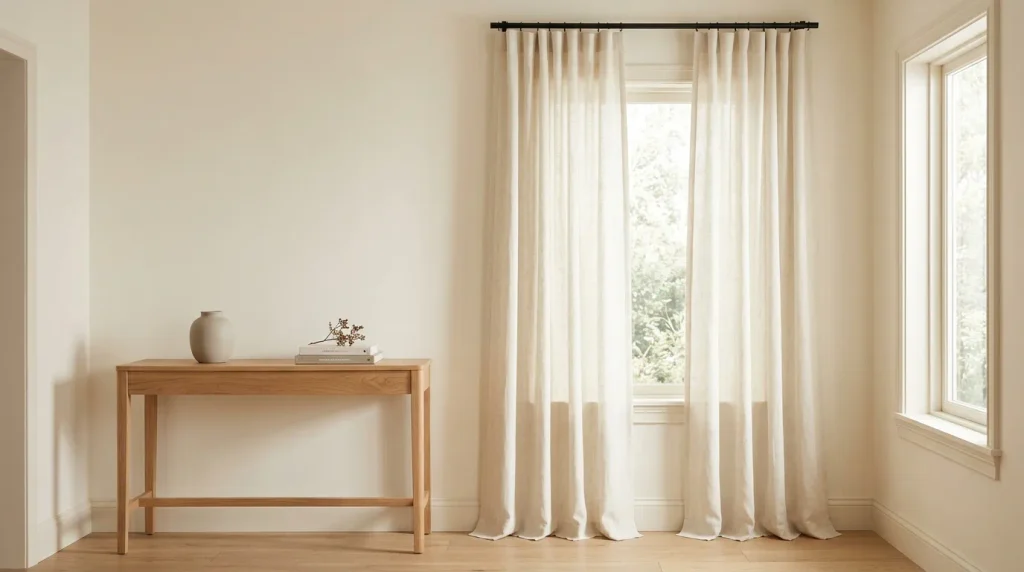
DO:
- Choose linen-look or cotton curtains in soft, neutral shades.
- Hang the curtain rod slightly above the window frame to create a taller appearance.
- Let the fabric fall close to the floor for a clean, finished look.
- Coordinate the curtain hardware with nearby furniture handles or lighting.
DON’T:
- Choose curtains that stop awkwardly above the floor.
- Use overly shiny fabric if the room has a relaxed, natural style.
- Let excess fabric pile heavily across the floor.
- Ignore window measurements before buying curtain panels.
Window treatments affect how furniture looks within the room. Soft, full-length curtains can make a basic dresser, console, or side table feel part of a more considered design. Choose fabric with a little texture, and keep the surrounding furniture relatively simple. The combination of natural light, vertical lines, and coordinated colors helps create a polished backdrop without spending money on new pieces.
Add Decorative Trim
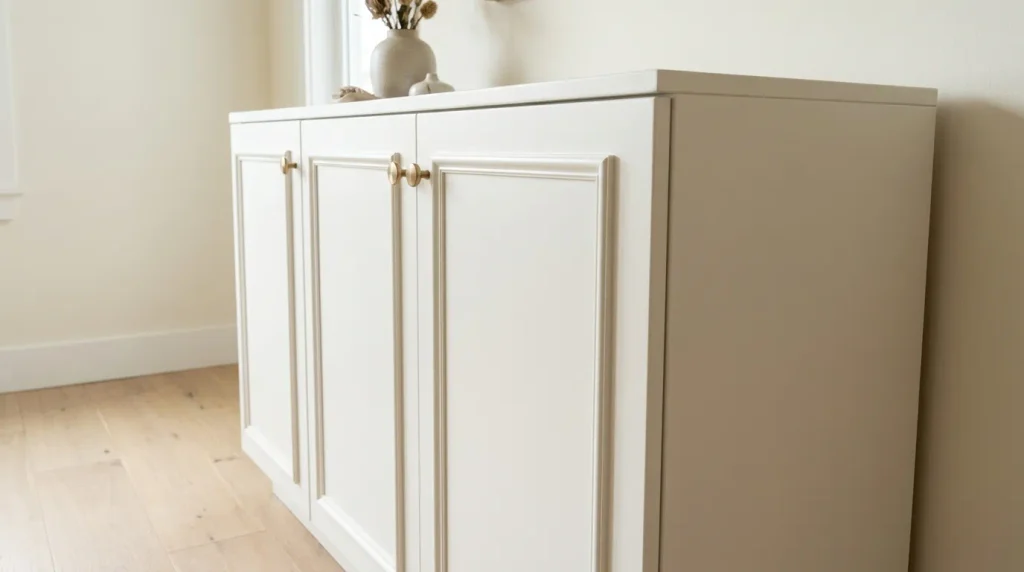
Cost: Low to moderate, depending on trim material and cabinet size.
Time: Several hours, plus drying time if painting is required.
Skill Level: Beginner to intermediate.
Best For: Plain cabinet doors, dresser fronts, and simple bedside tables.
Decorative trim gives flat furniture fronts the depth and detail often found in more expensive designs. Measure carefully, plan the molding layout with painter’s tape, and cut each piece to fit before attaching it with an adhesive suitable for the material. Keep the pattern simple, especially on small furniture, so the details don’t overwhelm the piece. If you paint afterward, use a compatible primer and finish for a consistent appearance across the original surface and the new trim.
Layer Natural Textures

A plain piece of furniture gains character when its surrounding textures feel thoughtfully balanced. Pair smooth wood with woven baskets, soft linen, matte ceramics, or a nubby cotton throw to create visual depth without relying on expensive finishes.
For example, place a woven basket beside a basic console and add a ceramic lamp on top. Repeat the basket’s natural tone in another part of the room to create a subtle connection. Keep the number of materials limited so the arrangement feels cohesive, and avoid covering every surface with accessories. The goal is to let simple furniture look intentional through texture, contrast, and restraint.
Our Facebook Page :Blossom Dream Decor
Upgrade With Contact Paper
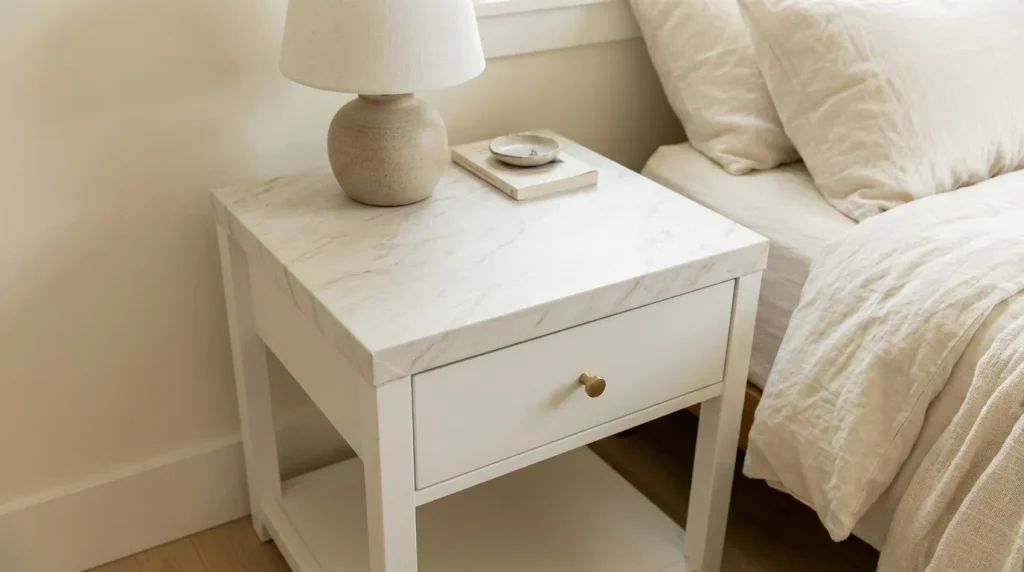
- Pick a believable finish. Subtle marble, warm wood grain, or matte stone patterns often look more convincing than highly glossy prints.
- Measure the surface carefully. Cut the paper slightly larger if the product instructions allow trimming after application.
- Prepare the furniture. Remove dust and grease, and make sure the surface is completely dry.
- Apply slowly. Smooth the paper from the center outward to reduce trapped air bubbles.
- Finish the edges neatly. Trim excess material with a sharp craft knife, using care around corners and seams.
Contact paper can refresh a scratched tabletop or a dated cabinet without the cost of replacing it. For the most polished result, use it on a flat, relatively smooth surface and align the pattern carefully. Test adhesion in a hidden area first, especially on veneer or delicate finishes. A subtle design with tidy edges will usually look more realistic than a bold pattern applied hastily.
Coordinate Metal Finishes

BEFORE:
The room has mixed metal finishes that appear unrelated. Silver cabinet knobs, a black lamp, and gold accessories compete for attention, making the furniture feel less cohesive.
AFTER:
A clear finish palette brings the pieces together. Brushed brass handles complement a brass-framed mirror, while a few black accents provide contrast without overwhelming the room.
Choose one main metal finish and repeat it in two or three places, such as drawer pulls, lighting, and picture frames. You don’t need to replace every accessory; simply group existing pieces that share a similar tone. Mixing metals can still look intentional, but repeating each finish helps create a visual connection. This small adjustment makes inexpensive furniture feel more carefully selected and integrated into the room.
Create a Built-In Look
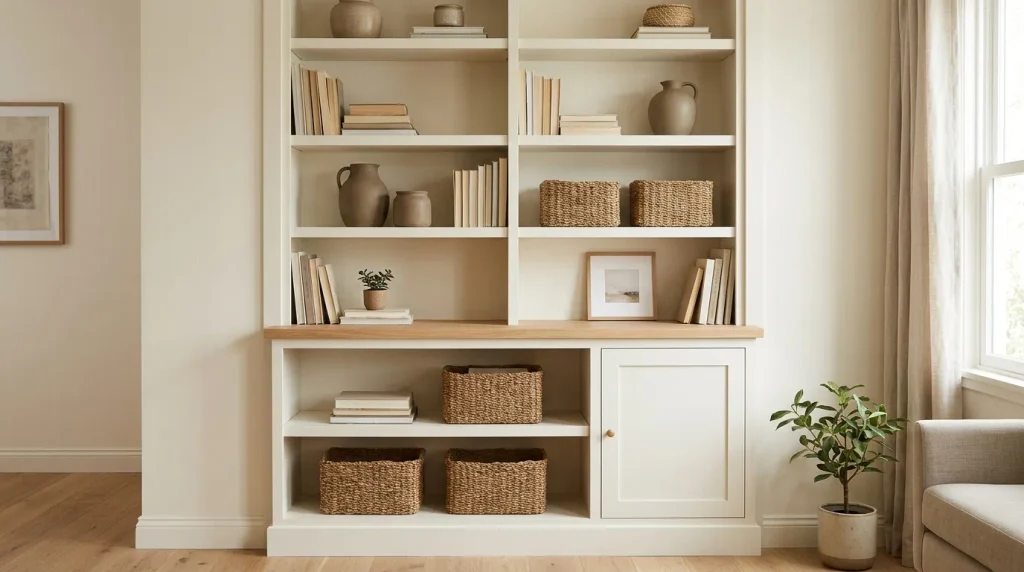
BEFORE:
A freestanding bookcase sits alone against the wall, with visible gaps on either side and a top edge that feels unfinished. The furniture looks separate from the rest of the room.
AFTER:
The bookcase is styled to feel connected to its surroundings. Coordinated paint, a carefully fitted top panel, and balanced accessories create a more integrated appearance without requiring custom cabinetry.
Measure the furniture and surrounding wall before adding trim or panels. Use safe, suitable materials and secure tall shelving according to the manufacturer’s instructions. Painting the unit and nearby trim in compatible colors can help visually connect the pieces, while matching storage boxes reduce clutter. Leave enough access to outlets and vents, and avoid blocking windows or doorways. The finished effect can feel custom even when the main furniture piece was inexpensive.
Our Instagram : Blossom Dream Decor
Upgrade Lampshades
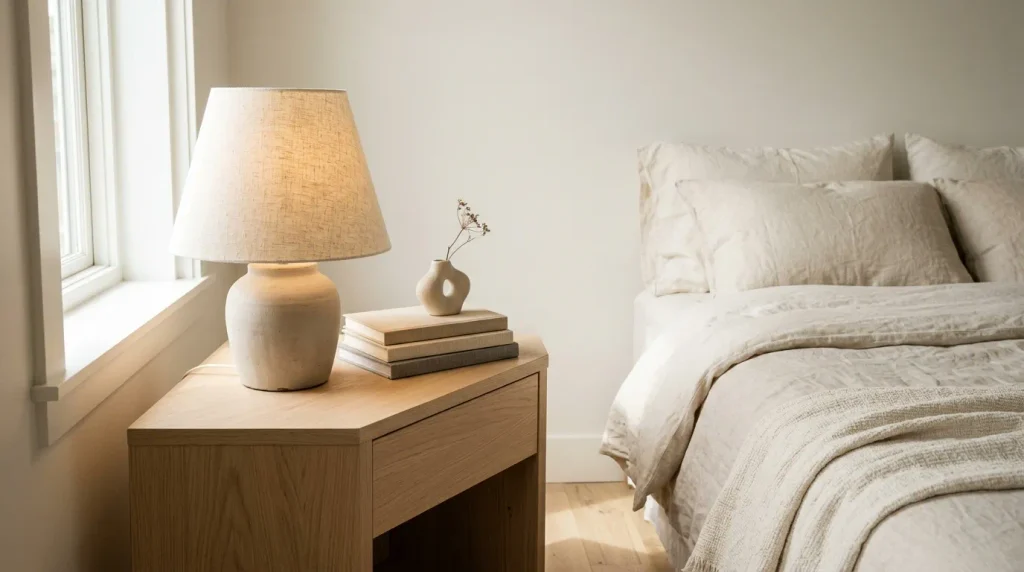
- Measure the lamp. Check the existing shade’s height and width so the replacement suits the base.
- Choose a quality-looking material. Linen, cotton, and softly textured fabric create a timeless appearance.
- Match the room’s palette. Ivory, oatmeal, taupe, or muted charcoal can complement inexpensive furniture.
- Check the fitting. Make sure the shade is compatible with the lamp and leaves the bulb safely positioned.
A lampshade can change the entire impression of a basic side table or console. A well-proportioned shade softens the light and adds texture without requiring new furniture. Choose a shape that balances the lamp base, and avoid shades that look too small or oversized. Always follow the lamp manufacturer’s guidance for bulb type and clearance, especially when using fabric shades. A simple replacement can make an ordinary corner feel more finished and welcoming.
Use Oversized Wall Art
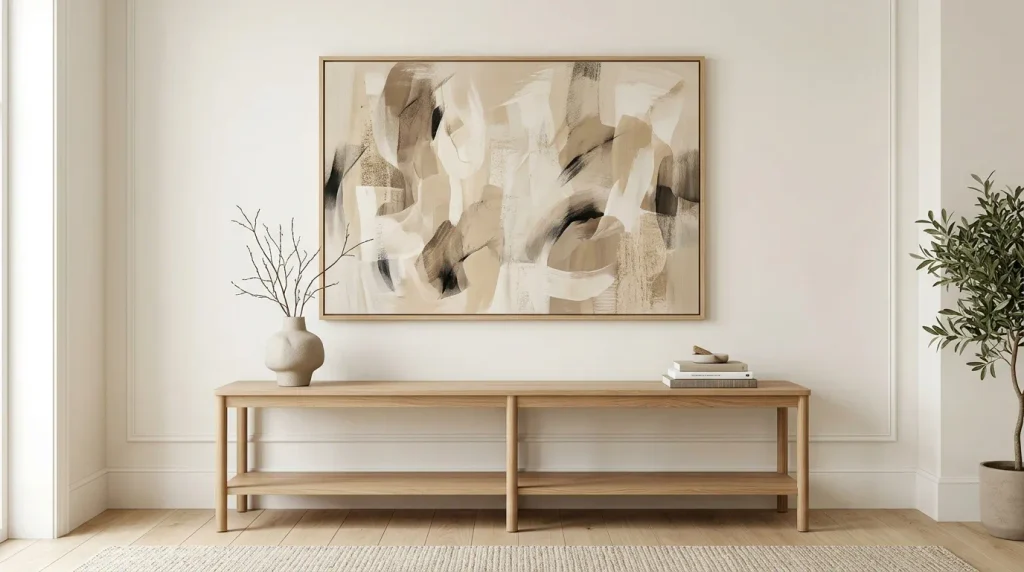
| Design Choice | Smaller Art Pieces | One Oversized Print |
| Visual effect | Creates a gallery-style arrangement | Gives the wall a strong focal point |
| Styling effort | Requires spacing and alignment | Usually simpler to position |
| Best furniture pairing | Narrow consoles and layered displays | Sofas, dressers, and wide sideboards |
| Budget approach | Use existing frames | Print an affordable design in a larger format |
A large art print can make inexpensive furniture feel part of a deliberate room design. Choose artwork that echoes one or two colors already present in the furniture or textiles, then hang it at a comfortable viewing height. For a balanced look, aim for artwork that spans roughly two-thirds the width of the furniture beneath it. Secure the frame with appropriate wall fixings, and leave enough breathing room between the art and tabletop accessories.
You may also like: Livingroom Look Expensive for Christmas With 7 Things You Already Own
Keep Surfaces Clutter-Free

DO:
- Keep only two or three useful or decorative objects on each main surface.
- Use a tray to group small accessories into one tidy arrangement.
- Store remotes, chargers, and everyday essentials in a drawer or basket.
- Leave visible empty space around decorative pieces.
DON’T:
- Cover every inch of a dresser or coffee table.
- Mix too many unrelated colors and finishes in one small area.
- Allow mail, packaging, and loose items to accumulate.
- Buy more accessories before deciding what the furniture actually needs.
A clear surface helps even basic furniture look more intentional because its shape, finish, and proportions become easier to notice. Start by removing everything, then return only the items you use or genuinely enjoy seeing. Keep practical necessities nearby in concealed storage, and reset the arrangement regularly. You don’t need expensive decor to create a polished home; thoughtful editing and a little consistency can make what you already own look far more refined.
Conclusion
Creating an expensive-looking home is less about the price tag and more about the details. A fresh coat of paint, elegant hardware, coordinated colors, and carefully chosen accessories can help ordinary furniture feel polished and thoughtfully styled.
Start with one piece that needs a little attention, then choose an upgrade that suits your budget and skill level. The best way to make inexpensive furniture look expensive is to focus on quality-looking finishes, balance, and simplicity rather than buying more things. Save these ideas on Pinterest for your next decorating project, try your favorite makeover, and share this article with someone who loves budget-friendly home decor. Your stylish home can begin with what you already own.


