
22 Small Bedroom Ideas That Feel Surprisingly Spacious
A tiny bedroom can still feel open, calm, and beautifully put together. These small bedroom ideas show how thoughtful furniture placement, smarter storage, lighter colors, and simple visual tricks can help you make better use of every inch.
You do not need a major renovation or an oversized budget to notice a difference. Sometimes raising curtains, clearing a walking path, or replacing one bulky piece of furniture is enough to change how the entire room feels. In my experience, the best compact bedrooms are not filled with miniature furniture. They simply make every piece earn its space. Ahead, you will find 22 practical and inspiring ways to create a bedroom that feels organized, comfortable, and surprisingly spacious.
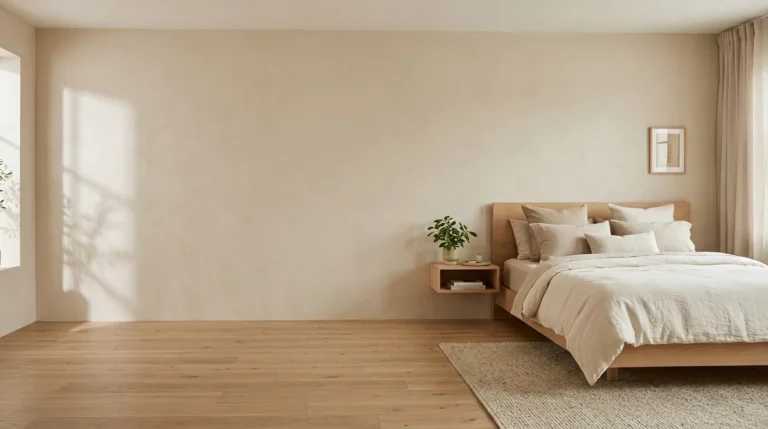
Floating Bedside Shelves

Bulky nightstands quietly steal valuable floor space in a tight bedroom. A floating shelf keeps your bedtime essentials within reach while leaving the floor completely visible. Choose a shelf around 8 to 12 inches deep for a phone, book, water glass, and compact lamp without creating visual clutter.
I’ve noticed that exposing more flooring makes compact rooms feel noticeably less crowded. Mount the shelf close to mattress height, then keep its surface intentionally simple. Pair it with a wall-mounted sconce to remove another object from the floor and create a cleaner, lighter bedside setup.
Floor-to-Ceiling Curtains
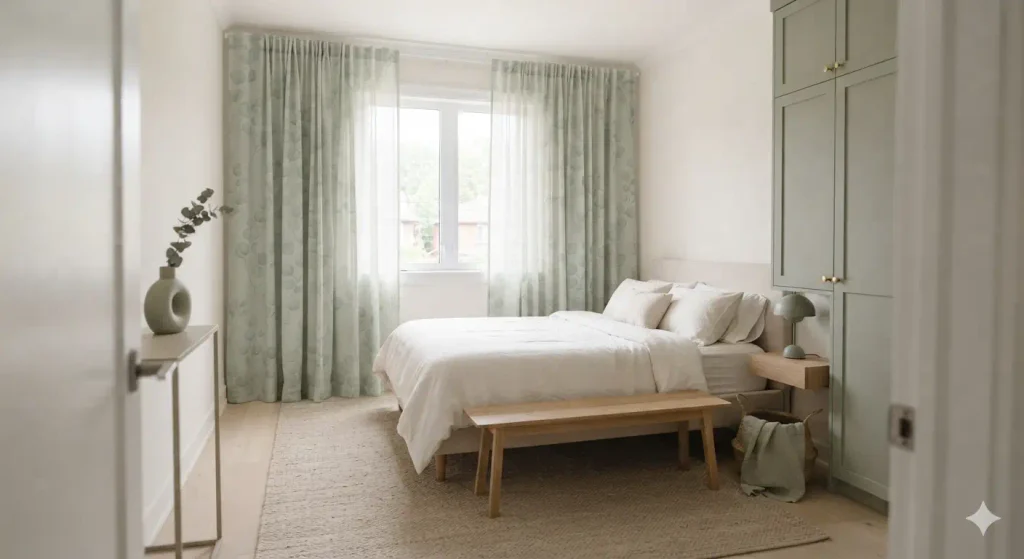
A short window can feel surprisingly taller when the curtains begin near the ceiling instead of directly above the frame.
- Mount the curtain rod 4 to 6 inches above the window, or closer to the ceiling when possible.
- Extend the rod beyond both sides of the window so more glass stays exposed when curtains are open.
- Choose ivory, cream, or another shade close to the wall color for visual continuity.
- Let the fabric reach the floor rather than stopping awkwardly above it.
- Pick lightweight linen-look or sheer panels when privacy allows, so natural light still fills the room.
Among practical small bedroom ideas, this works especially well because it changes how the eye reads the room rather than requiring additional floor space. The long vertical lines draw attention upward, while wider curtain placement can make the window appear larger. Avoid overly heavy fabric in a very narrow room.
Under-Bed Storage
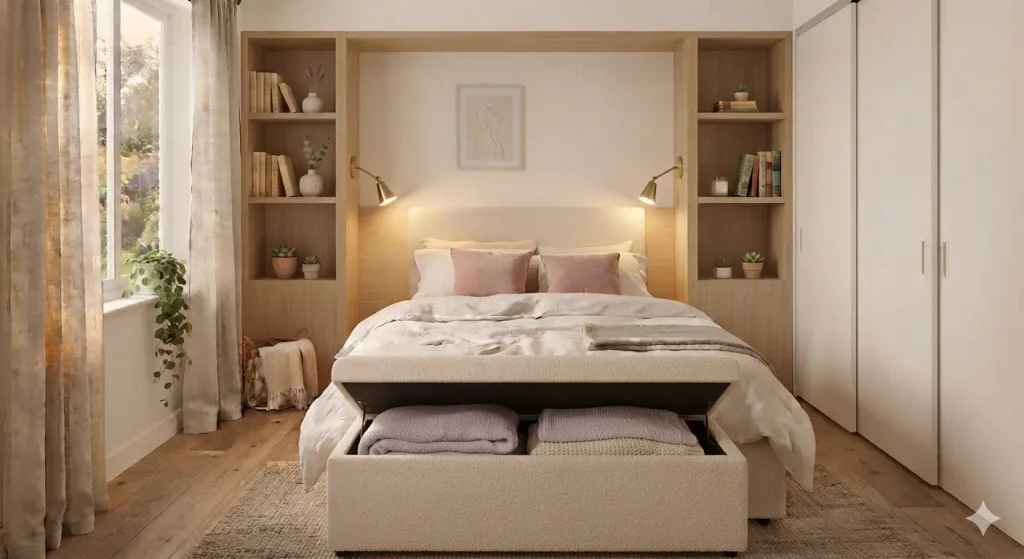
Quick Tip:
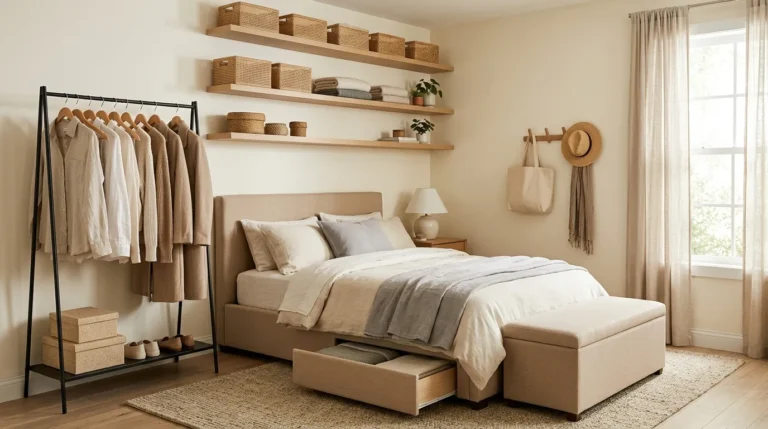
Measure the clearance beneath your bed before buying storage containers. Choose matching low-profile boxes with lids or built-in drawers, and leave enough room for them to slide out without hitting nearby furniture.
The space beneath a bed is too useful to become a forgotten dust zone. Store seasonal bedding, extra towels, shoes, or less frequently worn clothes there instead. In my experience, keeping these items out of visible cabinets reduces surface clutter and helps a small room feel calmer without sacrificing everyday essentials.
Wall-Mounted Lighting
BEFORE:
Bedside lamps occupy most of each small nightstand, leaving barely enough room for a phone, book, or water glass. Visible cords and crowded surfaces make the sleeping area feel tighter than it really is.
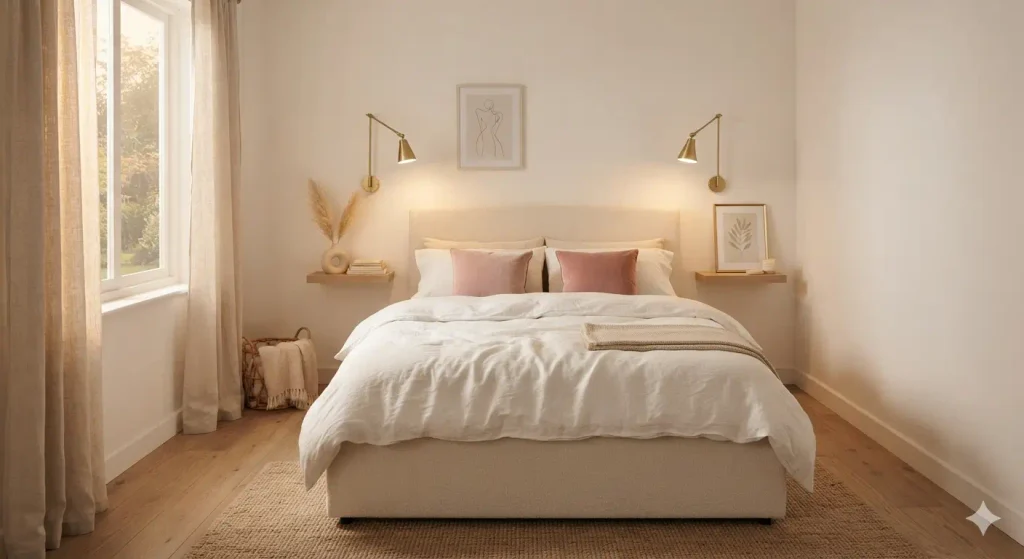
AFTER:
Wall-mounted sconces free the bedside surfaces and introduce clean vertical lines. The room feels more organized, while focused lighting still provides a comfortable spot for reading at night.
Lighting placement has a bigger visual impact than many people expect. I’ve seen this work especially well when sconces are paired with narrow floating shelves instead of full nightstands. Choose adjustable fixtures when possible, and position the light where it reaches your book comfortably without shining directly into your eyes.
Light Color Palette

A cramped room often feels heavier when too many dark shades compete for attention. Build a lighter foundation instead:
- Choose one main neutral. Use warm white, soft cream, or pale beige across the largest wall surfaces.
- Keep large furniture light. Select pale wood, white, oatmeal, or soft taupe for beds and storage pieces.
- Layer nearby shades. Mix cream bedding with beige, blush, or muted lavender accents for depth.
- Add controlled contrast. Introduce darker color through one lamp, frame, cushion, or small decorative object.
Light colors help bounce available daylight around the room, but everything does not need to be pure white. Layering similar warm tones keeps the bedroom from feeling flat or clinical. Keep large surfaces visually quiet, then introduce personality through smaller accents that can be changed without overwhelming the limited space.
Sliding Closet Doors

| Feature | Swing Doors | Sliding Doors |
| Floor clearance | Requires open space | No swing space needed |
| Furniture placement | Limited near doors | More flexible |
| Visual appearance | Can interrupt narrow areas | Creates a flatter wall line |
| Best use | Roomier bedrooms | Tight bedroom layouts |
Closet doors can determine whether a narrow walkway feels usable or frustrating. Sliding panels remove the clearance required by traditional hinged doors, allowing a dresser, stool, or bed to sit closer to the closet. For an even lighter appearance, choose panels similar in color to the surrounding wall.
Oversized Wall Mirror DO:
- Position the mirror where it can reflect natural window light.
- Choose one large mirror instead of several tiny decorative mirrors.
- Keep the frame slim and visually simple.
- Secure leaning mirrors properly for safety.

DON’T:
- Place the mirror where it reflects a cluttered storage area.
- Crowd its edges with excessive wall decor.
- Choose an overly thick frame for a very narrow room.
- Block valuable walking space with a deep freestanding design.
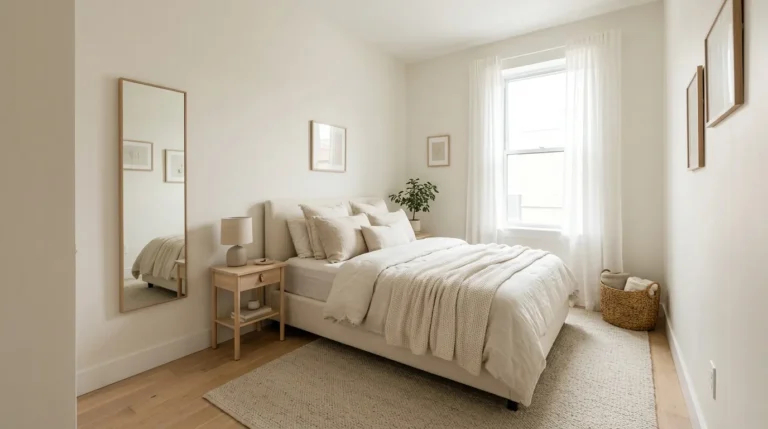
Mirrors work best when their reflection is considered as carefully as their placement. A large reflective surface can spread daylight and visually extend the room beyond the wall. For renters, a securely positioned leaning mirror may be practical, while wall-mounted versions preserve even more precious floor space.
Vertical Wall Storage

Cost: Low to Moderate | Time: One afternoon
Skill Level: Beginner to Intermediate
Best For: Bedrooms with limited floor space
Result: More storage without widening the furniture footprint
Empty wall space above eye level is often overlooked, even when the floor is completely full. Tall shelving makes that unused height productive and naturally pulls attention upward. Keep frequently used belongings on reachable shelves, store occasional items higher up, and use matching baskets to prevent the arrangement from looking visually busy.
Low-Profile Furniture

Furniture height can quietly change the proportions of an entire bedroom. A lower bed frame, streamlined dresser, and compact side table leave more open wall visible above them, which can make the ceiling appear higher. Pieces with clean silhouettes also reduce the heavy, boxed-in feeling that bulky furniture often creates.
In my experience, this works best when low furniture is balanced with one or two taller elements, such as curtains or a slender plant. Avoid making every object tiny. The goal is not miniature furniture, but pieces appropriately scaled to the room with enough open space around them to breathe.
Corner Reading Nook An awkward bedroom corner can become useful without adding visual clutter.
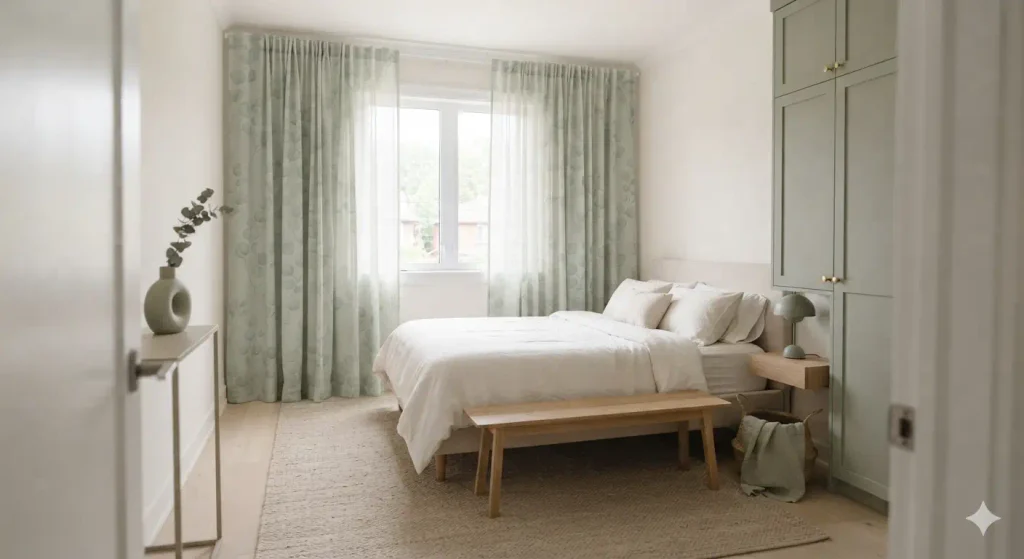
- Choose a slim chair with exposed legs so more flooring remains visible.
- Add one small round table instead of a bulky square nightstand.
- Mount the reading light on the wall to save surface space.
- Use one soft cushion or folded throw for color and comfort.
- Leave enough clearance around the chair to keep the walkway open.
A compact nook gives an overlooked corner a clear purpose while keeping the main sleeping area uncluttered. I’ve noticed that furniture with exposed legs feels lighter in tight layouts because you can see more floor beneath it. Skip oversized lounge chairs and keep the setup proportional to the available corner.
Hidden Desk Setup
Quick Tip:
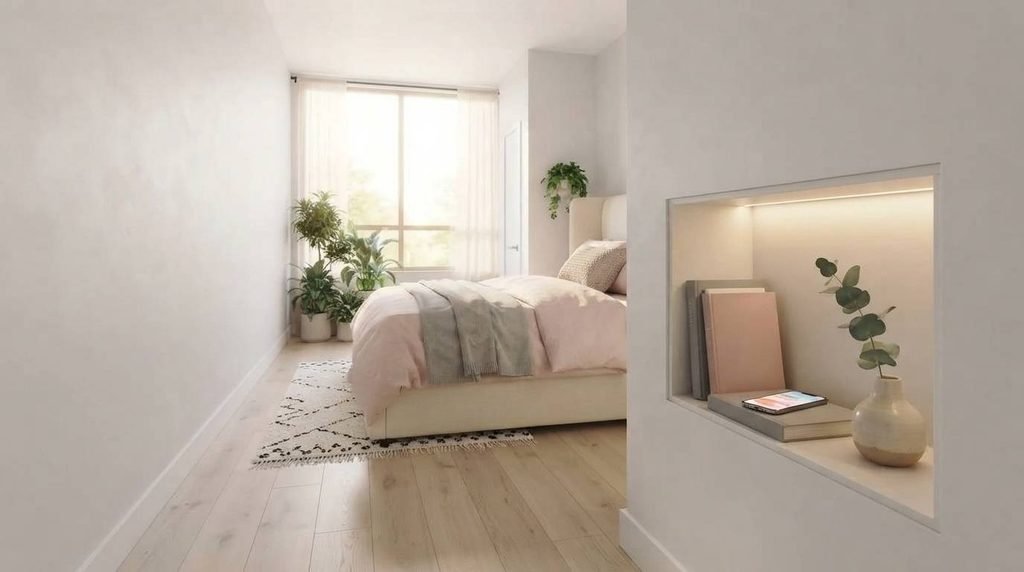
Choose a desk around 16 to 20 inches deep when you only need space for a laptop or notebook. Pair it with a stool that slides fully underneath so the walkway stays clear after work.
A bedroom workspace does not need to dominate the room. A narrow floating surface creates a useful work zone without introducing heavy desk legs or bulky drawers. Mount one or two small shelves above it for supplies, then keep the desktop mostly clear so the area still feels calm at bedtime.
Open-Leg Nightstand

BEFORE:
A chunky bedside cabinet fills the narrow gap beside the bed and visually blocks the floor. Drawers become crowded with forgotten items, while the furniture makes the sleeping area feel boxed in.
AFTER:
A slim nightstand with exposed legs keeps the same useful surface while revealing more flooring underneath. The bedside area appears lighter, cleaner, and easier to navigate.
Visual weight matters almost as much as actual measurements in compact rooms. Furniture raised on slender legs allows light and sightlines to continue beneath it, reducing the feeling of crowding. Keep the tabletop simple and choose a width that leaves comfortable clearance between the bed and nearby wall or furniture.
Built-In Headboard Storage
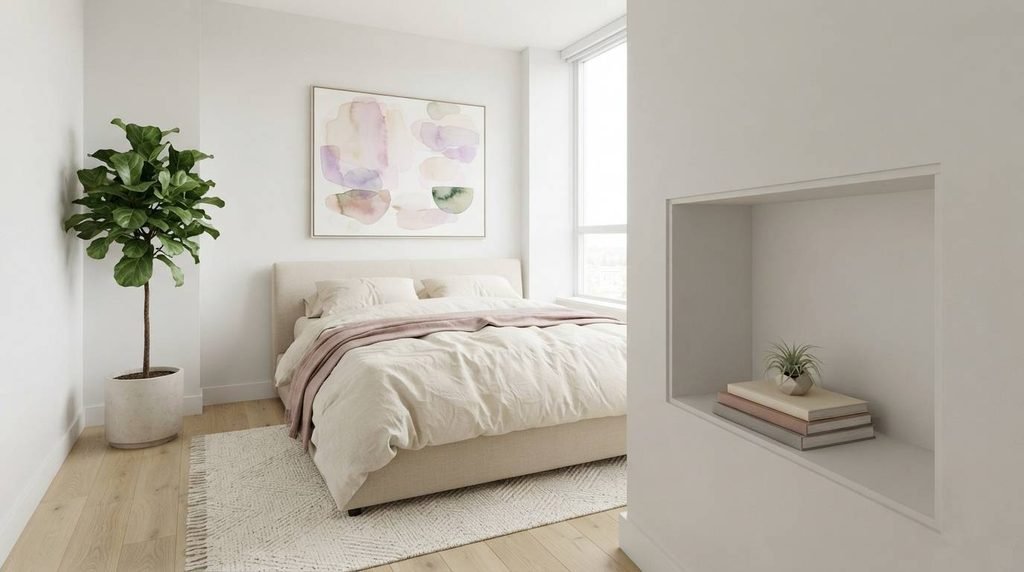
A headboard can do more than frame the bed. Give yours useful storage without making it visually heavy.
- Measure the bed wall. Plan shallow shelving that stays within the available width and does not obstruct nearby doors or windows.
- Keep shelves narrow. Use them for books, glasses, and small decor rather than bulky belongings.
- Add integrated lighting. Wall-mounted or recessed lights can replace bedside lamps.
- Hide visual clutter. Reserve closed compartments for chargers, cables, and less attractive essentials.
Built-in storage works especially well where separate bedside furniture would make circulation difficult. Keep the structure close to the wall color or choose pale wood so it does not overpower the bed. Before installing anything above your pillow area, make sure shelves and fixtures are securely mounted and safely positioned.
Bench Storage Bed

| Feature | Decorative Bench | Storage Bench |
| Extra seating | Yes | Yes |
| Hidden storage | No | Yes |
| Visual clutter control | Limited | Strong |
| Best use | Larger open rooms | Compact bedrooms |
Furniture that performs two jobs earns its place in a limited layout. A storage bench can hold spare bedding, seasonal throws, or extra pillows while providing somewhere to sit. Choose a model narrower than the bed and confirm that enough walking clearance remains between the bench and the opposite wall.
Clear Walking Path DO:
- Keep the main route from the door to the bed unobstructed.
- Push appropriately sized furniture closer to walls where the layout allows.
- Maintain comfortable clearance around frequently used drawers and doors.
- Remove decorative pieces that repeatedly interrupt movement.
DON’T:
- Place baskets in narrow walkways.
- Force oversized furniture into every empty wall.
- Block closet access with chairs or stools.
- Sacrifice everyday movement simply to fit another decorative piece.
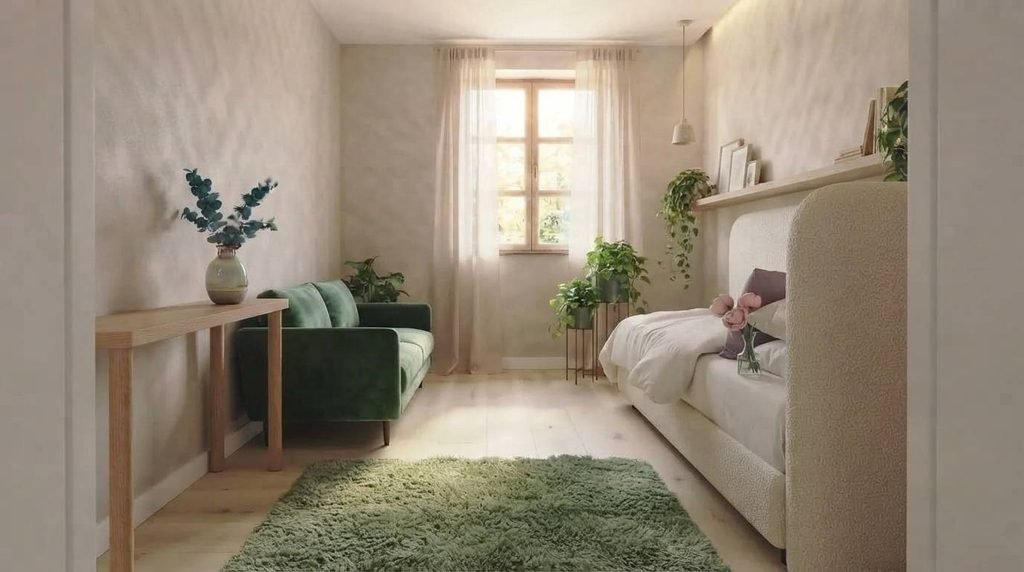
A room can contain plenty of storage and still feel cramped when movement is awkward. Before buying anything new, walk through the bedroom and notice where you naturally turn or squeeze past furniture. Clear circulation is one of the most practical small bedroom ideas because spaciousness is something you feel as well as see.
Above-Bed Shelving
Cost: Low to Moderate | Time: One to Two Hours
Skill Level: Intermediate
Best For: Bedrooms lacking display surfaces
Result: Useful vertical space with less floor clutter
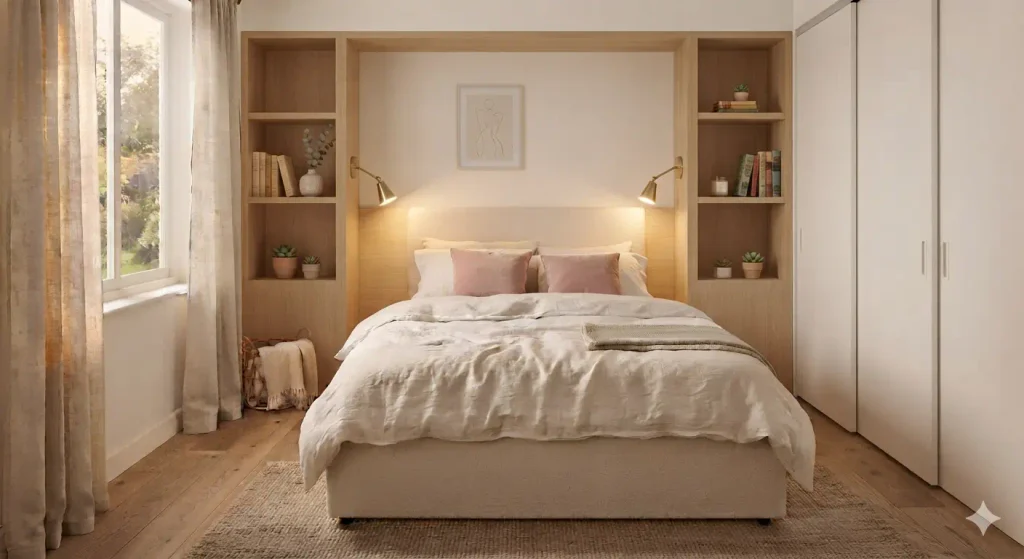
The wall above a bed often sits completely unused while bedside surfaces become crowded. A shallow shelf can move lightweight decor and books upward without adding another piece of furniture. Keep the arrangement restrained, and make sure the shelf is properly anchored and positioned so objects cannot easily fall onto the bed.
Matching Wall Furniture
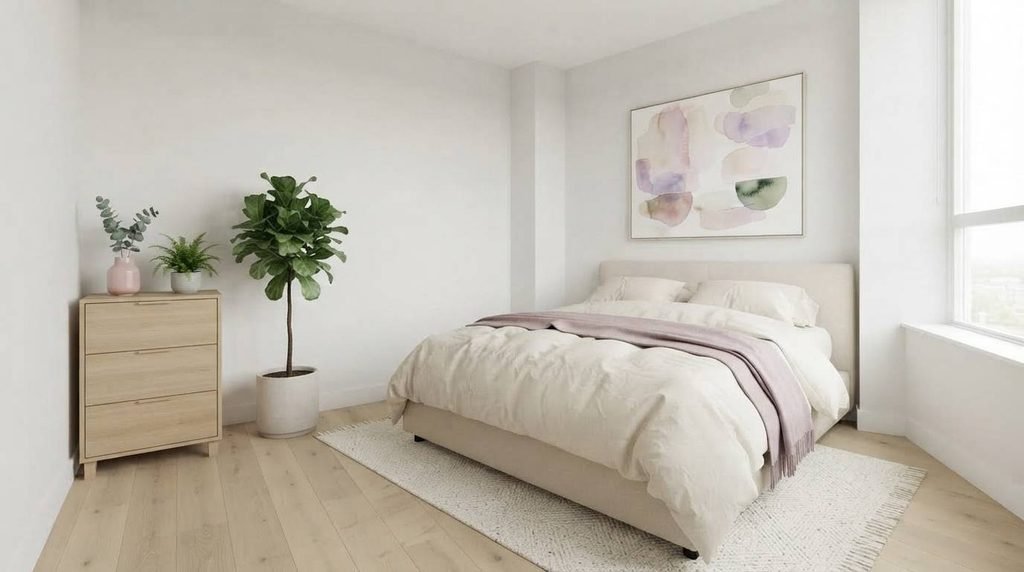
Furniture does not always need to stand out. In a compact bedroom, pieces that closely match the walls can visually recede, helping the eye move around the room without repeatedly stopping at strong blocks of contrasting color. This works particularly well with wardrobes, dressers, shelving, and other larger pieces.
I’ve seen this work best when texture provides the character instead. Pair warm-white furniture with woven baskets, linen bedding, pale timber, and a few controlled color accents. The room still feels layered and personal, but the largest storage pieces become quieter, allowing the available space to feel more continuous. Our Facebook Page : Blossom Dream Decor
Door-Back Storage

The back of a bedroom door can hold everyday essentials without taking a single inch from the floor.
- Choose a slim over-door organizer that allows the door to close properly.
- Store lightweight accessories, scarves, small bags, or frequently used items.
- Group similar belongings together instead of filling every pocket randomly.
- Pick fabric or finishes that coordinate with the room for a cleaner appearance.
- Keep heavier objects elsewhere to avoid stressing the door or hardware.
Hidden surfaces are especially valuable when closets and drawers are already working hard. Door-back storage keeps smaller belongings accessible while removing them from chairs, dressers, and floors. Keep the organizer selective rather than overfilled, since a bulky hanging system can quickly replace one form of visual clutter with another.
Bedside Wall Niche
Quick Tip:
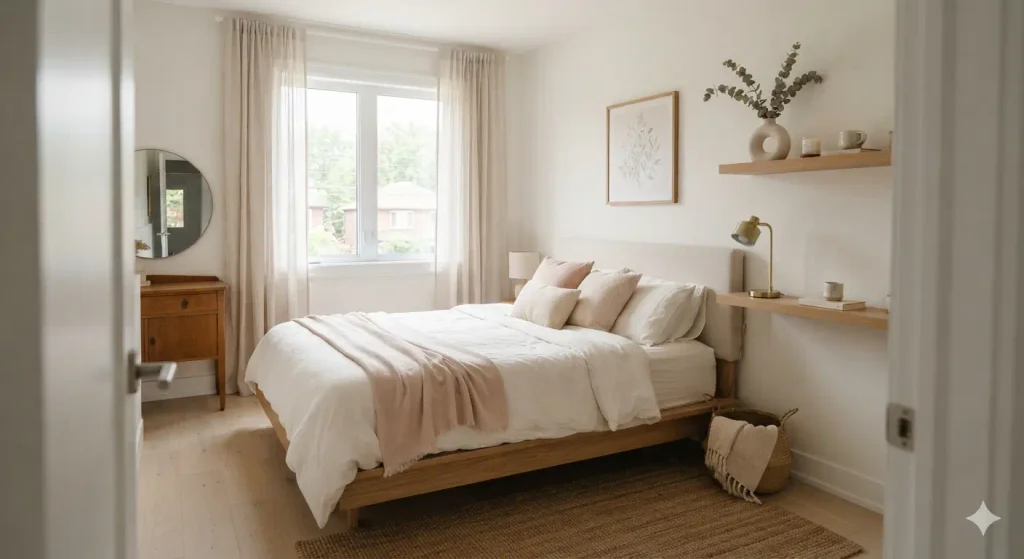
Keep a bedside niche shallow and simple, with enough depth for only your daily essentials. If creating a new recess requires cutting into a wall, first confirm that the location is safe and does not interfere with electrical wiring, plumbing, or structural elements.
Recessed storage keeps useful items close without projecting furniture into a narrow walkway. It works particularly well beside beds positioned close to a wall. I’ve noticed the cleanest versions use the same finish as the surrounding wall, helping the niche feel architectural rather than like another decorative object competing for attention.
Single Statement Artwork

BEFORE:
Several small frames, signs, and decorative objects compete across the bedroom walls. Each piece may be attractive alone, but together they create numerous visual stopping points that make the compact room feel busier.
AFTER:
One larger artwork creates a clear focal point while surrounding wall space remains open. The bedroom feels calmer and more intentional without losing color or personality.
Small rooms do not require tiny decor everywhere. One appropriately scaled artwork can actually feel cleaner than a crowded gallery wall because the eye has fewer elements to process. Pull two or three colors from the artwork into cushions or bedding, then resist filling every remaining patch of wall with decoration.
Compact Corner Dresser
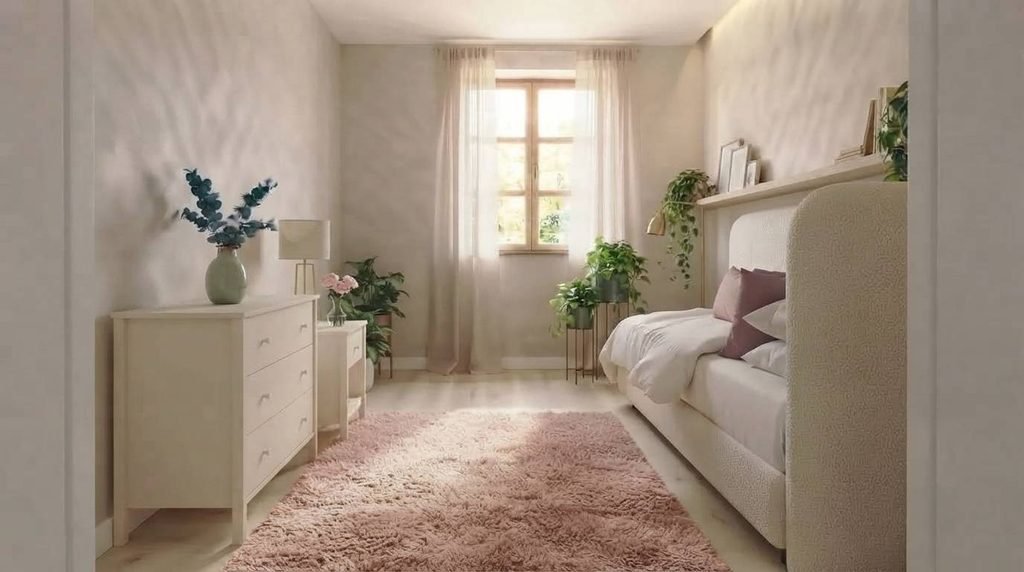
A neglected corner can provide useful storage without interfering with the main walkway.
- Measure both walls. Include baseboards, outlets, window trim, and door clearance before choosing furniture.
- Choose a narrow dresser. Prioritize useful drawer depth without letting the unit project too far into the room.
- Check drawer clearance. Make sure every drawer can open fully without hitting the bed.
- Keep the top restrained. Use only one or two small decorative pieces to prevent another clutter zone.
Corner placement works best when it solves an actual storage problem rather than simply filling empty space. A properly scaled dresser can hold folded clothing while leaving the central floor area open. For safety, secure suitable dressers to the wall according to the manufacturer’s instructions, especially taller or top-heavy pieces. Our Instagram : Blossom Dream Decor
Wall-Mounted TV

| Feature | TV Stand | Wall-Mounted TV |
| Floor space | Uses valuable room | Keeps floor open |
| Visual weight | Heavier appearance | Cleaner wall profile |
| Storage need | Often adds cabinets | Optional floating shelf |
| Best for | Larger bedrooms | Compact layouts |
A television does not need a bulky media unit underneath it. Mounting the screen can preserve useful floor area and keep sightlines cleaner, especially across from the bed. Conceal cables properly and choose a comfortable viewing height. For secure installation, follow the manufacturer’s mounting instructions and use suitable wall hardware.
CONCLUSION
A small bedroom does not have to feel crowded or short on style. The right layout, lighter visual choices, vertical storage, and multifunctional furniture can help every inch work harder. These small bedroom ideas give you practical ways to create more breathing room without rebuilding your space or replacing everything you own.
I’ve seen how even one thoughtful change can shift the way a compact room feels. Start with the idea that solves your biggest problem, then build from there. Save this post on Pinterest for later, try your favorite ideas, and share it with someone who could use a little bedroom inspiration.

One Comment