
15 Affordable Ways to Refresh a Room Without Remodelling
A room can feel completely different without a renovation, a contractor, or a big decorating budget. Small changes can create a surprisingly fresh result.
These affordable ways to refresh a room focus on simple updates that make your space feel brighter, cozier, and more intentional. From rearranging furniture and refreshing textiles to adding greenery, artwork, better lighting, and decorative details, you can make noticeable changes using what you already have or spending only a little.
Maybe your living room feels tired, your bedroom needs more warmth, or your walls look a little bare. You do not need to replace everything. In my experience, starting with one visible area makes decorating feel easier and helps you notice what the room actually needs. The ideas ahead are practical, beginner-friendly, and easy to save for your next home refresh.
Fresh Wall Color

A fresh coat of paint can change the entire mood of a room without touching the layout. Choose a soft neutral, muted green, warm beige, or dusty blue to create a noticeable shift. For smaller rooms, lighter shades can help the space feel brighter and more open.
Before buying paint, test two or three samples on different walls. I’ve noticed that the same color can look surprisingly different in morning and evening light. A sample also helps you avoid expensive mistakes and gives you a better sense of how the shade works with your existing floors and furniture.
Layered Window Treatments

- Hang curtains slightly above the window frame to create a taller visual line.
- Choose linen, cotton, or textured polyester for softness and dimension.
- Keep curtain panels long enough to lightly touch or hover just above the floor.
- Pair sheer panels with existing blinds for adjustable privacy and light.
- Repeat one room color in the curtains, cushions, or rug for a connected look.
Window treatments often get overlooked, yet they can make furniture feel more intentional. For a budget refresh, keep existing blinds or shades and add inexpensive curtain panels instead. In my experience, raising the curtain rod a few inches and extending it beyond the window can make an ordinary window feel noticeably larger without changing the window itself.
Statement Lighting

Quick Tip: Replace one dated light fixture instead of changing every light in the room. Choose a shape or finish that connects with existing hardware, such as brass, black metal, or brushed nickel.
Lighting works best when you create layers rather than relying on one bright ceiling fixture. Add a floor lamp beside a reading chair, a small table lamp on a console, or warm LED bulbs to existing fixtures. The result feels softer at night and gives the room more depth without requiring electrical remodeling.
Rearranged Furniture

BEFORE: Furniture sits pushed against the walls, leaving the center of the room unused. The seating arrangement feels disconnected, and walking paths are awkward.
AFTER: Pull key pieces slightly inward and arrange seating around a focal point, such as a coffee table, fireplace, or window. The room feels more intentional while keeping every existing piece.
Moving furniture costs nothing, but it can reveal problems you stopped noticing. Start by measuring your main walking paths and leave enough space to move comfortably between pieces. I’ve tried this approach in rooms that felt cramped, and simply changing the sofa angle often made the layout feel much more open.
Our Instagram : Blossom Dream Decor
Th-rifted Accent Pieces

- Choose a color direction: Look for secondhand pieces that repeat colors already present in your room.
- Start small: A vase, tray, mirror, basket, or stool can add personality without crowding the space.
- Inspect before buying: Check furniture joints, drawers, upholstery, and surfaces for damage or odors.
- Refresh the finish: Clean, sand, repaint, or replace hardware when a piece needs a simple update.
A thrifted accent can bring character that new decor sometimes lacks. Focus on shape and material rather than finding an exact matching set. A vintage wood stool beside a modern sofa, for example, can add warmth and contrast while keeping your spending low. Choose fewer interesting pieces instead of filling every empty surface.
Updated Soft Furnishings

| Refresh Choice | Option A | Option B |
| Cushions | Solid neutral covers | Patterned accent covers |
| Rug | Existing rug | Smaller layered rug |
| Throw | Lightweight cotton | Chunky textured knit |
| Bedding | Crisp white layers | Warm neutral layers |
A room can feel completely different when the soft layers change. Swap cushion covers, throws, bedding, or a small rug before replacing larger furniture. For a cohesive result, choose two or three related colors and repeat them throughout the textiles. This approach works especially well when your existing furniture is neutral.
Gallery Wall
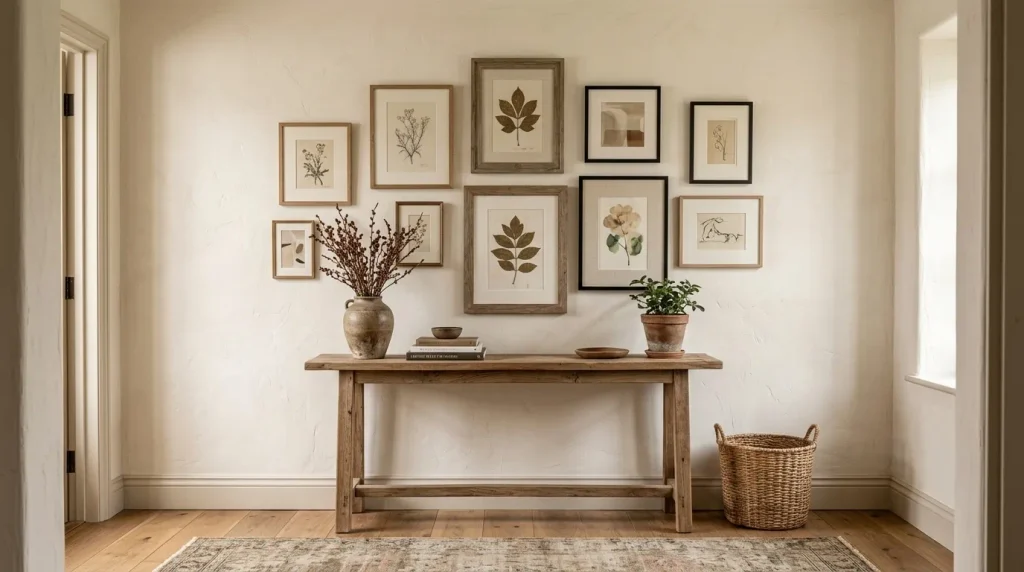
- Choose a layout: Arrange frames on the floor first so you can test spacing before making holes.
- Mix sizes: Combine larger prints with smaller pieces to create visual rhythm.
- Repeat finishes: Keep two or three frame finishes for a collected but organized appearance.
- Leave breathing room: Avoid packing artwork tightly against nearby furniture or corners.
Artwork gives blank walls a purpose without requiring construction or expensive built-ins. Use family photos, printable artwork, vintage finds, or pieces you already own. I’ve noticed that a simple frame change can make inexpensive prints feel far more polished, especially when the frame finish connects with nearby furniture or lighting.
Styled Coffee Table

- Clear the surface: Remove everything first so you can see the table’s actual proportions.
- Add a foundation: Place a tray, shallow bowl, or stack of books as the main anchor.
- Vary heights: Combine a low object with one taller element, such as a vase or small plant.
- Leave open space: Keep part of the tabletop empty so the arrangement remains practical.
A styled coffee table should look useful, not crowded. Keep everyday items inside a tray so they can be moved quickly when needed. Add one natural element, such as greenery or a small branch, to soften hard surfaces. The simplest arrangements often look the most intentional because each object has room to stand out.
Decorative Mirror
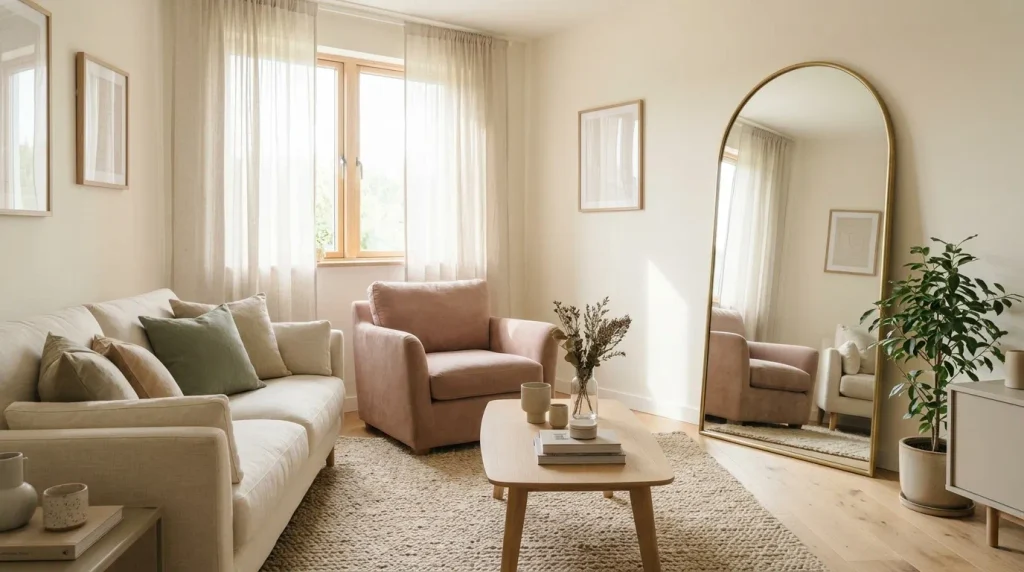
| Placement | Visual Effect | Best Choice |
| Opposite window | Reflects daylight | Bright rooms |
| Above console | Creates a focal point | Entryways |
| Behind seating | Adds depth | Living rooms |
| Narrow wall | Breaks up blank space | Small rooms |
A mirror can make a room feel brighter while adding a strong decorative element. For the biggest visual benefit, place it where it can reflect natural light, an attractive view, or an interesting piece of furniture. Avoid reflecting clutter, since the mirror will visually repeat whatever sits opposite it.
Decluttered Surfaces

DO
- Clear unnecessary items from tables, shelves, and counters.
- Keep only objects that serve a purpose or add visual interest.
- Group small accessories together on a tray.
- Leave some empty surface area for a cleaner appearance.
DON’T
- Fill every shelf simply because space is available.
- Mix too many colors across one surface.
- Keep damaged or unused decor out of habit.
- Hide everyday clutter behind decorative objects.
A tidy surface can make existing furniture look newer almost immediately. Start with one visible area rather than tackling the entire room at once. Remove everything, clean the surface, then return only the pieces that earn their place. This simple reset is one of the most affordable ways to refresh a room.
Our Facebook Page : Blossom Dream Decor
Cozy Floor Layers
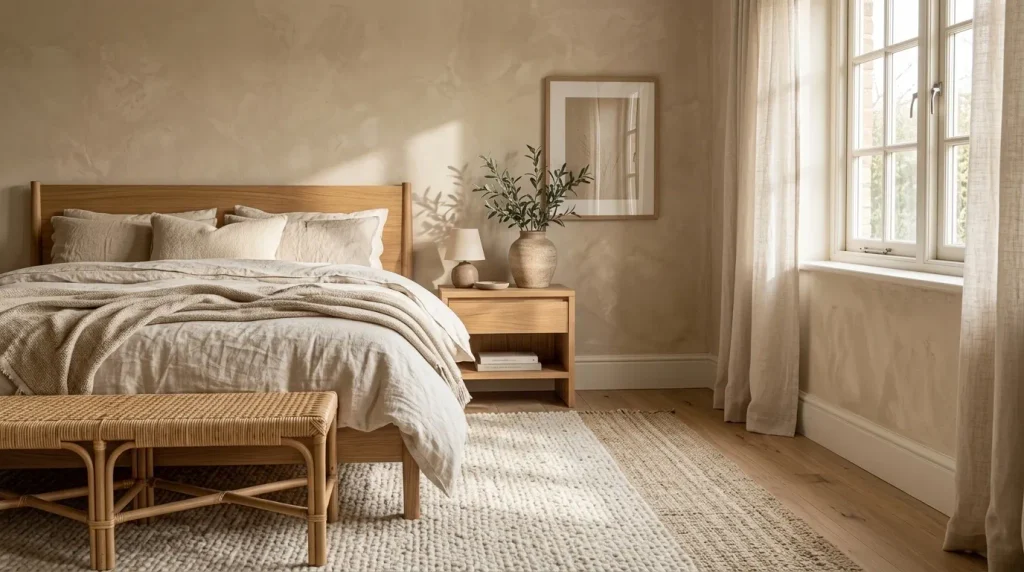
Cost: Low to moderate | Time: One afternoon | Skill Level: Beginner
Best For: Bedrooms, living rooms, and reading corners | Result: Softer, warmer floors
Bare floors can make a room feel unfinished, especially when furniture has clean, hard lines. Add a small rug beside the bed, layer a runner over a larger rug, or place a washable mat beneath a seating area. I’ve noticed that natural textures such as jute and cotton add warmth without requiring much additional decor.
Repurposed Furniture

Quick Tip: Look around your home before shopping for new furniture. A small stool can become a plant stand, a dining chair can move into a bedroom corner, and a dresser can work as an entry console.
Repurposing furniture gives familiar pieces a fresh purpose while keeping your budget intact. Move an unused chair into a reading corner, use a bench at the foot of the bed, or replace dated hardware on a cabinet. Small changes in placement and function can make old furniture feel surprisingly useful again.
Layered Wall Art

A single frame can look lost on a large wall, while several smaller pieces can create a stronger focal point. Start with your largest artwork and build outward with smaller frames, leaving consistent gaps between pieces. Mixing photography, prints, and simple line art keeps the arrangement personal without making it feel overly matched.
Fresh Greenery
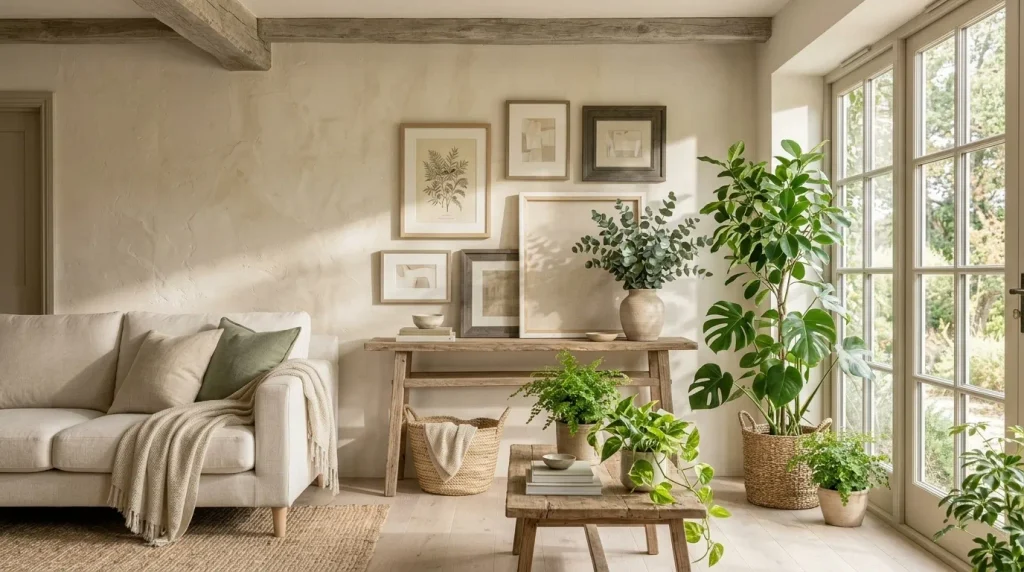
- Choose the right scale: Place a taller plant beside a sofa or empty corner and smaller plants on shelves.
- Use simple containers: Ceramic, terracotta, woven, or glass planters can complement existing finishes.
- Group greenery: Cluster two or three plants with different heights for stronger visual impact.
- Consider maintenance: Select varieties that match the natural light and care level available in your room.
Greenery adds color and texture without requiring a major furniture purchase. If real plants are difficult to maintain, quality faux stems can still provide visual softness. Keep leaves dust-free and avoid overcrowding surfaces. A single healthy plant in an attractive pot can often do more for a room than several small decorative objects.
Textured Accent Wall
| Approach | Budget | Visual Result |
| Removable wallpaper | Low to moderate | Bold pattern or texture |
| Limewash-style paint | Low | Soft, cloudy depth |
| Wood slats | Moderate | Warm architectural detail |
| Textured fabric panels | Low to moderate | Cozy softness |
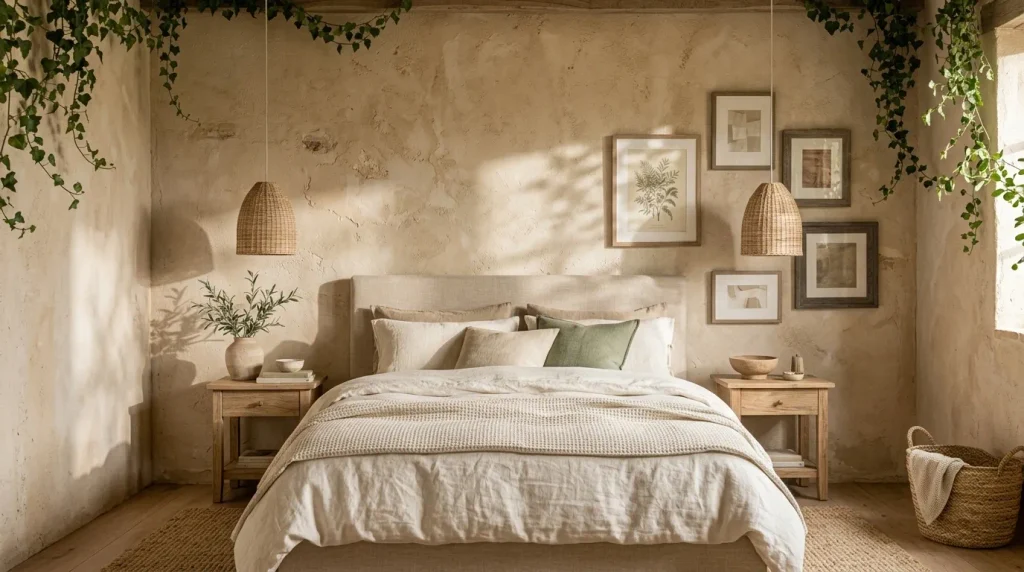
An accent wall can create a focal point without remodeling the entire room. Choose one wall, preferably behind a bed, sofa, or dining area, and keep the remaining walls simple. Removable wallpaper is especially useful for renters, while paint techniques can add subtle depth with very little material.
For more ideas, check out our previous article: Blossom Dream Decor
Conclusion
Refreshing your home does not have to mean remodelling every room or spending a large amount of money. The right combination of colour, lighting, textiles, greenery, artwork, layout, and thoughtful accessories can make an existing space feel fresh again.
These affordable ways to refresh a room give you plenty of starting points, whether you have an afternoon, a small decorating budget, or simply want to work with what you already own. I’ve seen how small changes can completely shift the way a space feels. Save this post on Pinterest, try one idea this week, and share it with someone who could use a little home inspiration. Start small, make it yours, and enjoy the difference.


One Comment